One of the most common situations on Postcrossing is receiving an address with a blank or very short profile. When there are almost no preferences listed, choosing the right postcard can feel like guessing.
You open the received postcrosser’s profile. You scroll down. And the profile says:
“…”
Nothing. it is empty. No favourite themes. No dislikes.
No dramatic wish list of dragons, hedgehogs or vintage typography.
So what do you do when there is almost nothing to work with?
Quick Answer
If a Postcrossing profile is blank or very short, choose a postcard that feels universal and easy to connect to, then use your message to explain your choice. When in doubt, balance and intention matter more than specificity.
Now let’s look at it calmly instead of panicking in front of your postcard stash.
Why Blank Profiles Are Not a Problem
A short profile does not mean the person does not care.
Sometimes they are new and simply do not know what to write yet.
Sometimes they have been on Postcrossing for years and no longer feel the need to list preferences.
And sometimes they genuinely enjoy the surprise.
The official Postcrossing help pages make it clear that profiles are meant to guide you, not restrict you. Preferences are suggestions, not strict requirements. So if you see very little information, you are not missing something. You are just working with a quieter starting point.
Step 1: Check When They Registered
This is something I always look at before choosing a card.
If the person registered very recently and has sent only a few postcards, I assume they are still discovering what they like. In that case, I choose something balanced and broadly appealing. A card that feels welcoming and easy to enjoy.
If they have been registered for many years and have sent hundreds or thousands of cards, I assume they have seen almost everything. Then I might choose something a little less obvious, something with atmosphere or character, rather than a very typical design.
The registration date and number of sent cards tell you more than you think. They give context, even when the profile itself stays silent.
Step 2: Choose Themes That Leave Space
When there are no preferences, I rely on themes that are specific enough to be interesting but open enough to fit many personalities.
These usually work well:
• travel scenes with mood, not just landmarks
• botanical illustrations
• animals that are not tied to a specific fandom
• everyday life moments
• artistic photography
• cozy bookish designs
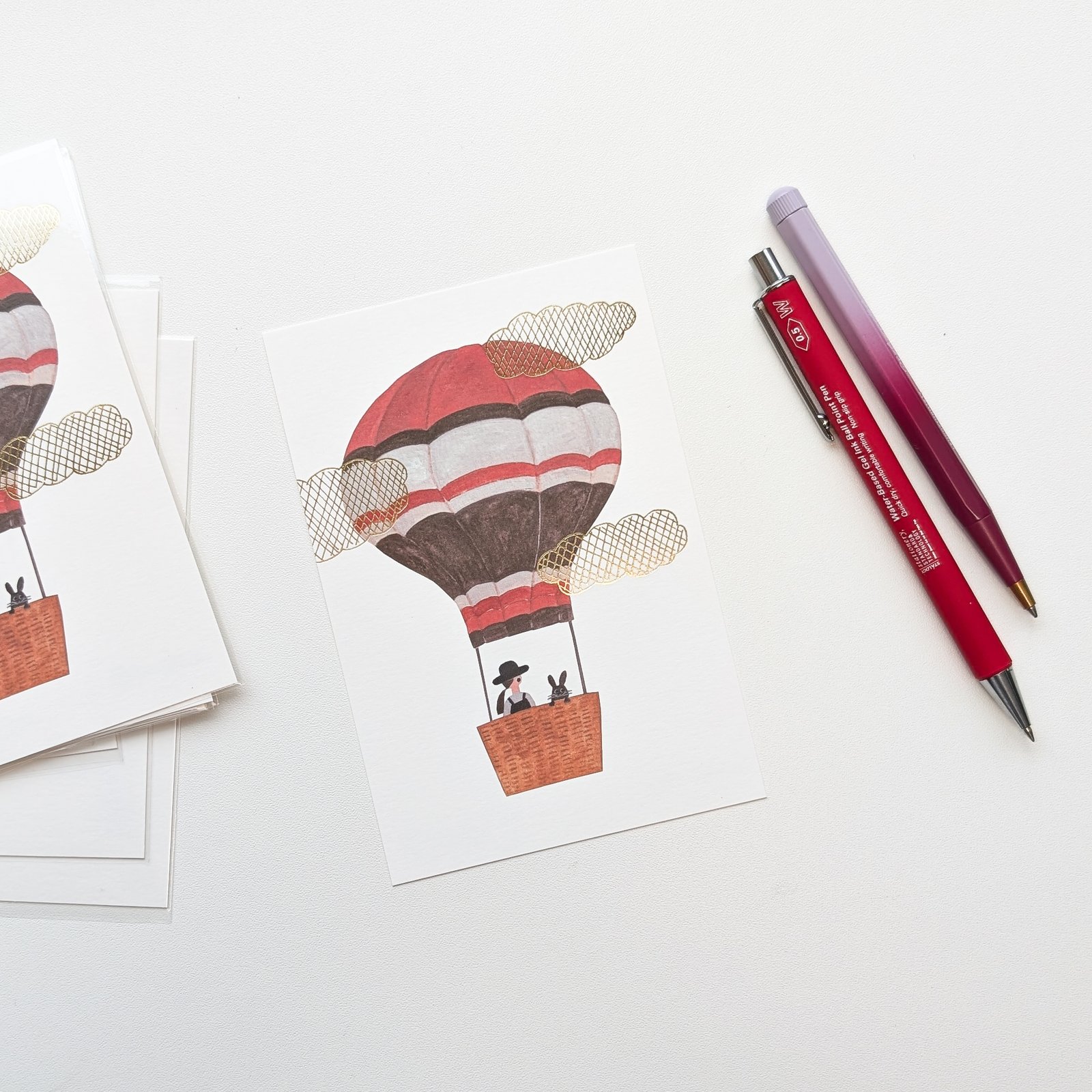
The key is that these themes leave room for interpretation. They do not demand that the receiver loves one exact subject. They invite a reaction instead of assuming one.
If you’re just starting with Postcrossing, you can also explore my Postcrossing Starter Guide.
Step 3: Let the Message Do Half the Work
A blank profile does not mean your postcard has to feel random. Often, a simple explanation turns an ordinary card into a thoughtful one.
For example: “Your profile was short, so I chose this peaceful illustration. It feels like a small window into my everyday life.”
Or: “I didn’t have many hints from your profile, so I picked something that makes me smile. I hope it brings you a quiet moment too.”
That small sentence creates intention. It shows that you did not just grab the nearest card.
If writing the message is the part that feels hardest, you can read my guide with real examples here:
What to Write on a Postcrossing Postcard – 10 Real Ideas
What I Avoid When There Are No Preferences
When there are no hints at all, I simply avoid extremes. I stay away from:
• heavy political themes
• strong religious imagery
• very dark humour
• very local advertising-style cards
This is not about being cautious. It is about being considerate. When you know nothing about someone’s taste, neutral and thoughtful is usually the safest path. And safe does not mean boring. It just means kind.
When There Is Very Little to Go On
A blank profile can feel intimidating at first, but it is actually one of the simplest situations.
You are not trying to match a long wish list. You are not comparing five different themes. You are simply choosing something balanced and sending it with intention.
Most Postcrossers are not testing you. They are happy to receive a card that feels thoughtful and genuine.
And sometimes, when there are no instructions at all, you are free to send something that quietly represents you.
Quick Tips for Blank Postcrossing Profiles
If you don’t want to overthink it, here’s a simple checklist you can keep in mind:
• Check how long they’ve been registered and how many cards they’ve sent
• Choose a theme that feels open and broadly relatable
• Avoid extreme or highly sensitive topics
• Add one sentence explaining why you chose that card
• Trust your first balanced instinct instead of switching cards five times
Most of the time, that’s more than enough. Because even when a profile says very little, a postcard can still say a lot.
If you’re new to Postcrossing, you might also find my Postcrossing Starter Guide helpful.
You may also like:
What to Do When You Don’t Have the Right Postcard for Postcrossing
How many postcards do you really need for Postcrossing?
Best Postcard Themes for Postcrossing Profiles