
For many years, my shop followed one simple idea:
something for everyone.
For almost 14 years, I created postcards in many different styles, moods, and themes. Cute and serious. Colorful and minimal. Illustrated and photographic. The goal was always the same: to make sure anyone, no matter their taste, could find at least one postcard that felt right.
And this approach worked well, especially in the early days of Postcrossing and postcard swaps.
But communities change. And so does the way we use postcards.
How Postcrossing and swap communities have evolved
Today, Postcrossing is not the only place where postcards travel.
There are countless swap communities on Instagram, Facebook, Reddit, and Discord, where people exchange not just postcards, but entire mail experiences.
And one thing has become very clear over the years: people don’t just collect postcards, they collect series.
A matching set. A recognizable style. A theme that grows over time.
I see it in Postcrossing profiles. I see it in swap requests. I see it in the messages I receive daily.
“Do you have more postcards like this one?”
“Is this part of a series?”
“I collect your mail-themed designs and month series postcards.”
Why series and collections became important
Creating single postcards one by one made sense for a long time. But gradually, it stopped reflecting how people actually use them.
Collections help when:
- someone wants several postcards with the same mood;
- a sender likes consistency in their outgoing mail;
- a collector enjoys building a complete set over time;
- a swap partner asks for a specific theme.
A collection creates clarity, both visually and emotionally.
Matching products beyond postcards
Another important change is how postcards are used today. Postcards are no longer alone. Many people combine them with:
- sticker sheets;
- die-cut stickers;
- washi tapes;
- memo pads;
- keychains;
- tote bags;
- desk mats;
- You name it!
That’s why newer collections are designed as complete stationery worlds, not just postcard sets.
These matching products:
- work perfectly for swaps and happy mail;
- can be used in journals and planners;
- fit everyday life beyond Postcrossing;
- allow people to enjoy the same theme in different formats.
A postcard can travel. A washi tape stays on your desk. A tote bag goes outside with you. They all belong to the same story.
What changed for me as a creator
There’s also a very personal reason behind this shift. Creating isolated designs, without a clear direction, became exhausting over time. Not creatively difficult, but mentally draining.
Working on collections gives me:
- a clear creative focus;
- a sense of continuity;
- space to explore one theme deeply;
- motivation to keep going without burning out.
Each collection feels like a small project with its own rhythm. It keeps me engaged, curious, and excited, and that energy always shows in the final result.
How the first collections of this year actually came to life
When I decided to move towards collections, I knew one thing for sure: I didn’t want to start with ten small ideas at once. The plan was simple: two bigger collections and a few smaller ones, and then see how they naturally grow. What I didn’t plan was how personal some of them would become.
Letters from Far Away
This collection started in a very quiet way. While working on the Advent calendars, there were a few postcards I couldn’t let go of. They felt unfinished, like they still had something to say. When I looked at them together, I realised they were all about the same thing: distance, connection, writing, waiting.
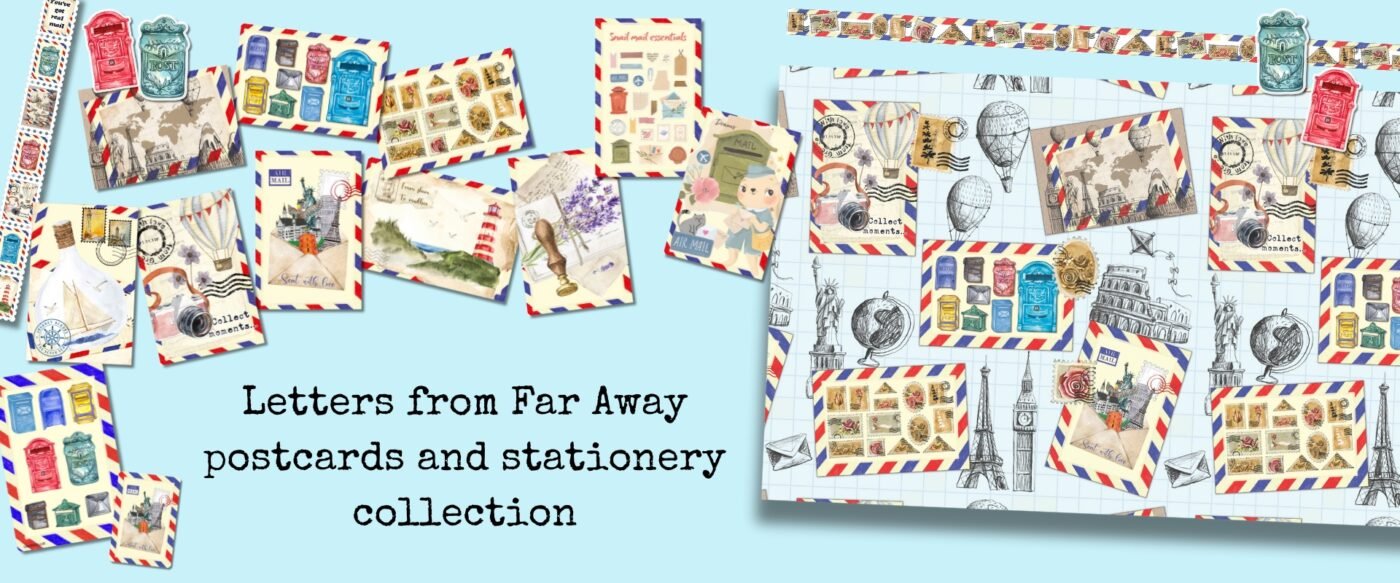
I didn’t force a theme. It was already there.
Those postcards simply asked for more space and a longer life beyond the calendar. That’s how Letters from Far Away became my first large collection, built around the idea of staying connected through letters, even when people are far apart.
Everyday Magic
Everyday Magic came from scrolling Instagram more than I probably should admit.
I kept noticing how many people use stationery not just for sending mail, but for journaling, planning, documenting daily routines. Coffee cups, quiet mornings, simple tasks, repeated days. It made me think about how often we struggle to choose a postcard simply because nothing “special” is happening.
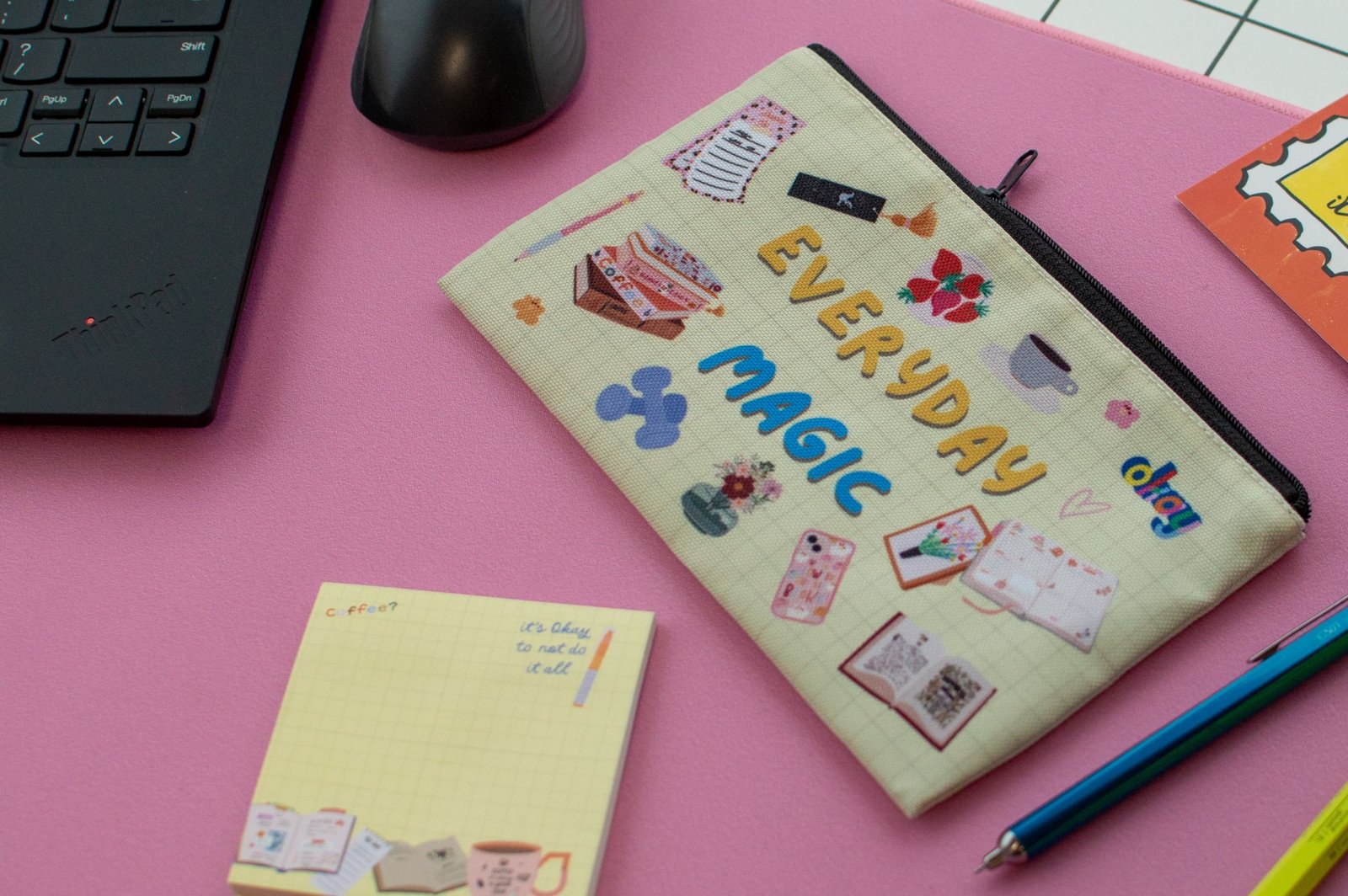
This collection is my answer to that.
Postcards and stationery for normal days. For routines. For moments that don’t need explaining. Things that feel easy to send, easy to use, and don’t demand a big story.
World Mail Greetings
This one started very practically: with my own hands.
I wanted a collection that would allow me to draw more, without turning every illustration into a complex project. World mailboxes were the perfect solution. I do use photo references, of course, but these are simple, graphic illustrations. No human anatomy, no complicated scenes, just familiar postal details that are surprisingly satisfying to draw.
It also felt right conceptually. Mailboxes are universal. Everyone recognises them. Everyone uses them. And they fit perfectly into Postcrossing and swap communities, where mail itself is often the main theme.
Library Is My Happy Place
This small collection was born on a day when I couldn’t really do anything else.
I was sick. I couldn’t work properly, couldn’t focus on reading, couldn’t sit at my desk for long. So I started drawing books. One after another. Then I began filling in their titles. And I just… kept going.
There was no plan here at all.
Just a quiet way to pass time, which slowly turned into a cozy, very honest little collection for book lovers.
Let’s Love Cats & Dogs
This one came from listening.
Two postcards from the Let’s series – Let’s love all the cats in the world and Let’s love all the dogs in the world – kept showing up in orders. Again and again. It made me stop and think: if people clearly love these themes, why not give them more ways to enjoy them?
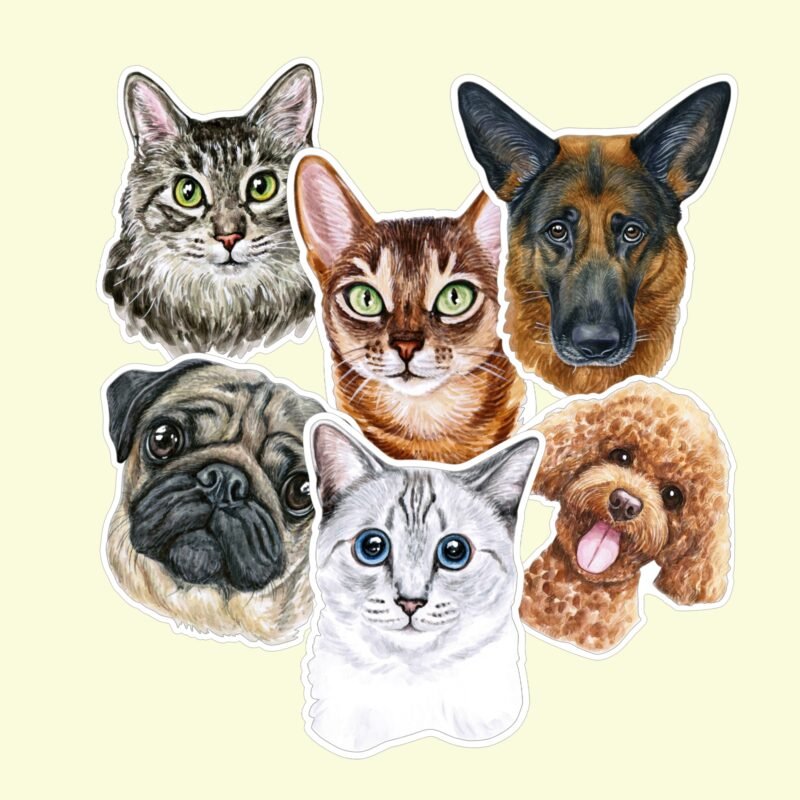
That’s how this mini collection grew beyond postcards. Matching stickers, tote bags, stamp washi: the same familiar idea, just in different forms. Because sometimes a theme deserves to exist outside a postcard too.
This is not a radical change, it’s a slow transition
I’m not abandoning variety. I’m not limiting creativity. I’m simply moving from:
random variety → intentional collections.
Old designs still matter. Older postcards still belong here. But new collections are built with today’s Postcrossing and swap culture in mind, where storytelling, matching elements, and collectability play a much bigger role.
FAQ: About postcard collections and matching stationery
Why are collections becoming more popular in Postcrossing?
Because many Postcrossers enjoy consistency. Collections make it easier to choose postcards that match a profile, a mood, or a personal collecting theme.
Are collections only for collectors?
Not at all. They are especially helpful for people who send postcards regularly and want reliable, easy-to-use designs without overthinking every choice.
Do matching products replace postcards?
No. Postcards remain the core. Matching products simply extend the experience and allow the same theme to live beyond sending a card.
Can I use these products outside Postcrossing?
Absolutely. Many items are designed for everyday use – journaling, planning, decorating, or simply enjoying at home.
Will collections continue to grow?
Some will, some won’t. I prefer to let collections grow naturally, based on how people respond to them and how the theme evolves.

Love it! I am a postcrossers but also a snailmail addict who writes long letters to various friends and family, including grandchildren and great nieces and nephews. Do you plan any new letter writing pad designs?
Dear Jane,
Thank you very much for your comment.
Yes, I definitely plan on making more letter pads. Since I plan on making most of them myself, in small quantities, I can do more different designs. I would be happy to receive requests, maybe you liked a certain postcard and I can expand it into a collection or something.