Should you send a postcard in an envelope, or is it better to send it on its own?
If you’ve spent any time in Postcrossing communities, you’ve probably noticed that people have surprisingly strong opinions about this. Some love receiving postcards with stamps and postmarks directly on the back. Others prefer their cards protected inside envelopes. And then there are people who see an envelope as an opportunity to add stickers, a little letter, and perhaps a few other surprises.
I’ve been sending postcards through Postcrossing since 2008, and I think both methods have their place. The important thing is understanding why people prefer one over the other, especially when you’re sending mail to someone you don’t know.
So, let’s answer the questions that usually come up.
Should Postcrossing postcards be sent without an envelope?
Usually, yes.
According to the official Postcrossing guidelines, sending postcards without envelopes is the default, and most members prefer receiving them this way.
There’s a good reason for that. For many collectors, the postage stamp and postmark are part of the postcard’s story. They show where it travelled from, when it was mailed, and sometimes even which postal service handled it.
A postcard that has travelled halfway around the world with a slightly worn corner and a beautiful postmark has a charm of its own.
And, of course, sending a postcard without an envelope is simple. You write your message, add the address and postage, and it’s ready to go.
Why do some people prefer postcards in envelopes?
There are several reasons, and not all of them have anything to do with collecting.
Protection. An envelope can help protect a postcard from scratches, dirty marks, bent corners, and other little accidents during its journey. It doesn’t guarantee perfect condition, but it provides an extra layer.
Privacy. When you send a postcard without an envelope, anyone handling it can read the message. That’s usually fine for a short Postcrossing greeting, but you might prefer an envelope for something more personal.
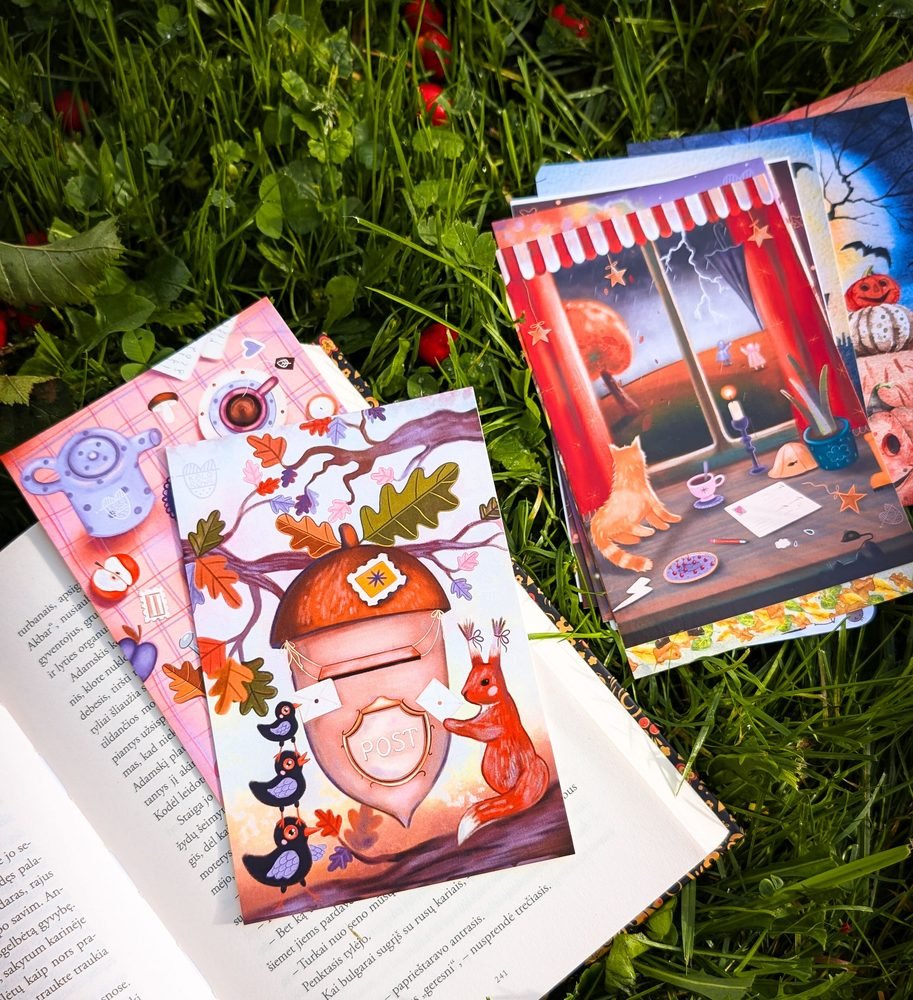
Special postcards. If you’re sending a delicate handmade card, an unusual shape, or something you’d rather keep in good condition, an envelope may be a better choice.
Extra space. And this is where things get interesting! An envelope gives you room for a longer letter, another postcard, or a few little stationery surprises.
This is especially useful for penpaling and postcard swaps, where the exchange can be much more personal than a single postcard.
Does a postcard lose its charm if it travels in an envelope?
Not at all, although collectors may have different opinions.
Some people collect postcards specifically because they enjoy the stamps, postmarks, handwriting, and signs of travel. For them, receiving a postcard inside an envelope means missing part of that experience.
Others care more about the illustration on the front and prefer their collections to stay in excellent condition.
And some people are happy either way.
That’s why I always recommend reading the recipient’s profile before deciding. If someone specifically asks for postcards without envelopes, there’s usually a reason behind that request.
Can I decorate an envelope?
Of course, and decorating envelopes can be just as enjoyable as decorating postcards.
You don’t need expensive supplies or extraordinary artistic skills. A plain envelope can look lovely with a few carefully chosen details.
Here are some ideas I like:
- Add a little washi tape along the bottom edge or use it to decorate the back flap.
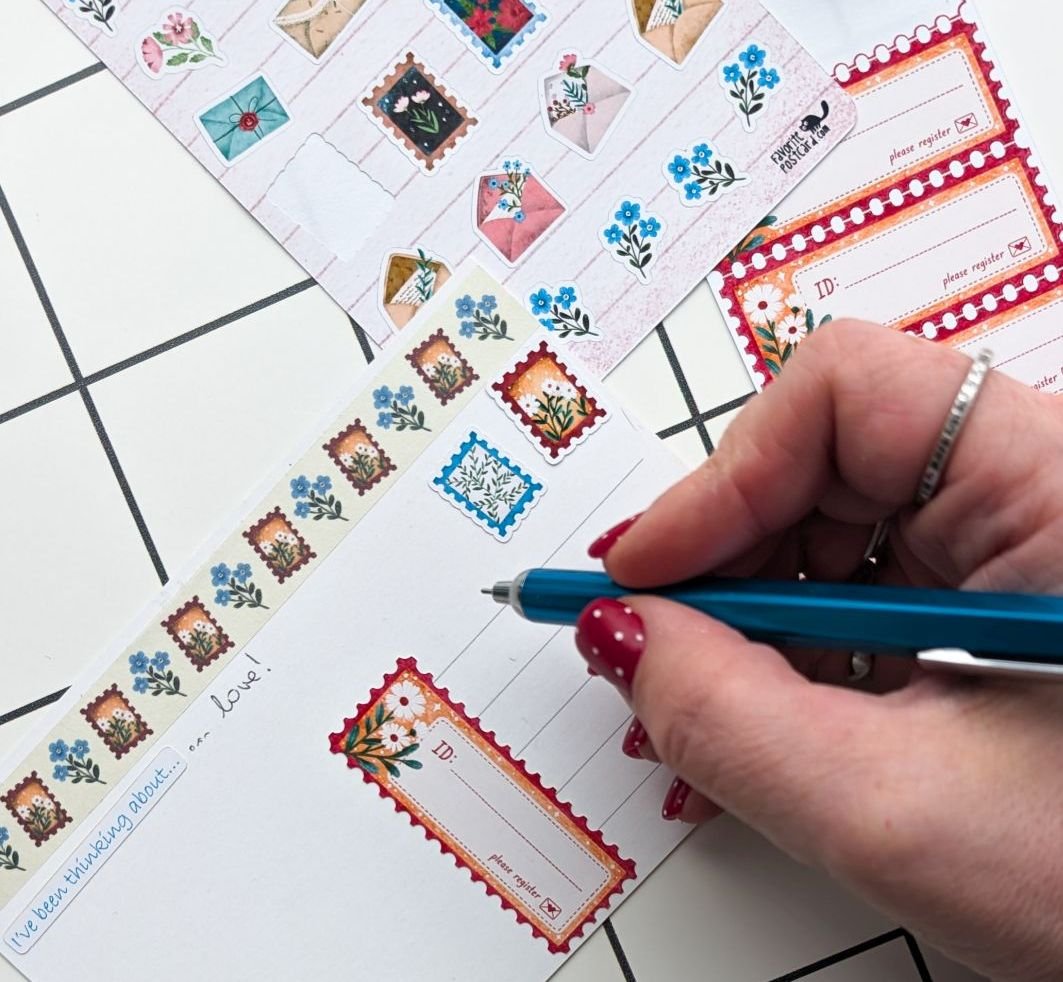
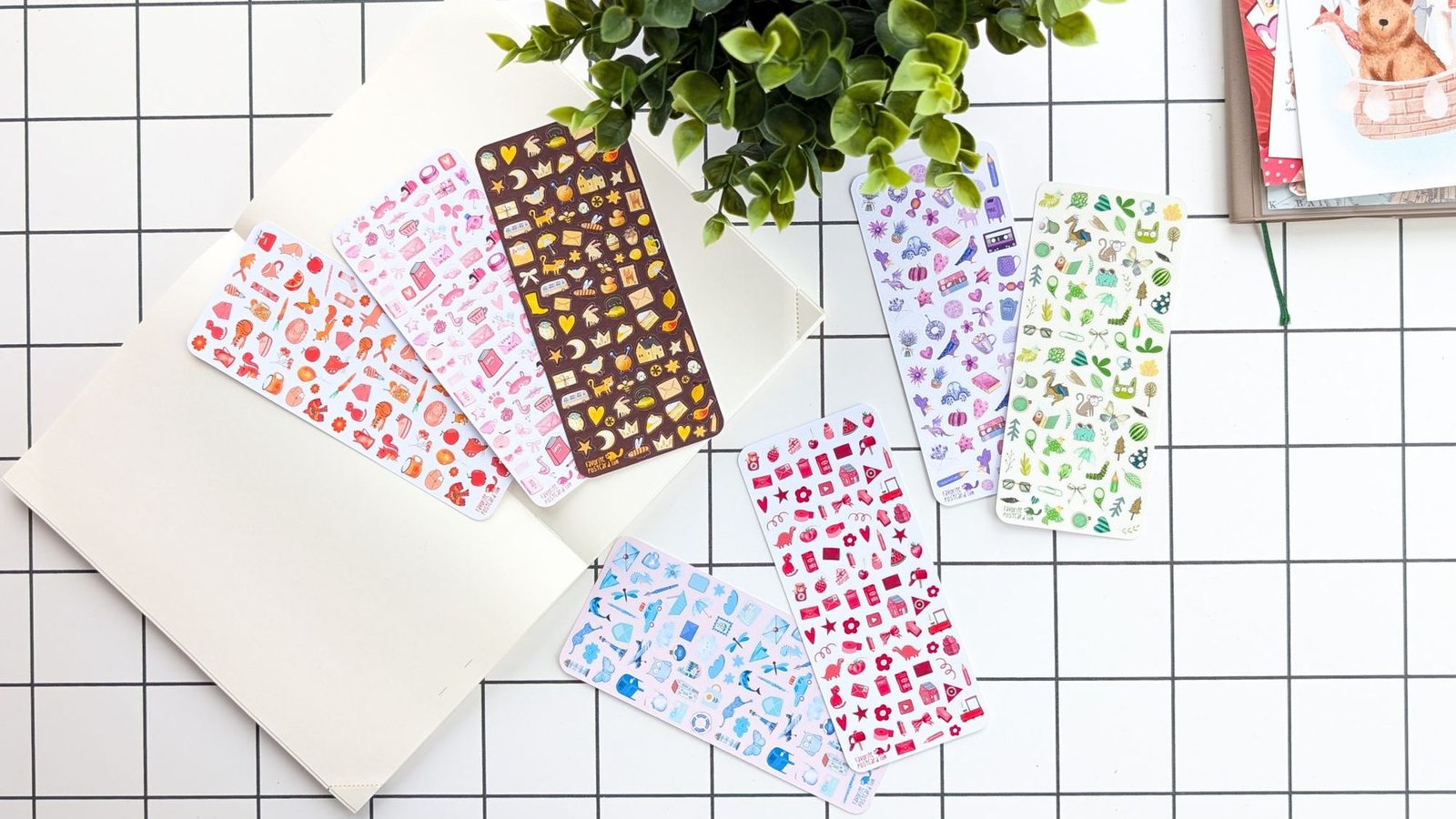
- Use a few tiny stickers to create a small scene in one corner.
- Match the stickers to the postcard inside. For example, a botanical postcard could travel in an envelope decorated with leaves and flowers.
- Add a handwritten greeting or a small drawing on the back of the envelope.
- Use a combination of paper scraps, patterns, and stickers for a more playful mail-art look.
I particularly like tiny stickers for this because they don’t take up much space. You can add a few details without covering half the envelope.
One important thing to remember: make sure the address and postage are clearly visible. Keep decorations away from the address, stamps, postal labels, and areas needed for sorting or postmarks. Flat decorations are usually more practical than bulky embellishments, and it’s worth checking your postal service’s rules before sending heavily decorated mail.
The envelope still has a job to do, even if we’d prefer to treat it as a little art project.
What small surprises can I put inside an envelope?
This is probably my favourite advantage of sending postcards in envelopes.
If you’re exchanging happy mail with someone who enjoys stationery, you can turn a simple postcard into a small paper surprise without preparing an enormous package.
Here are a few ideas:
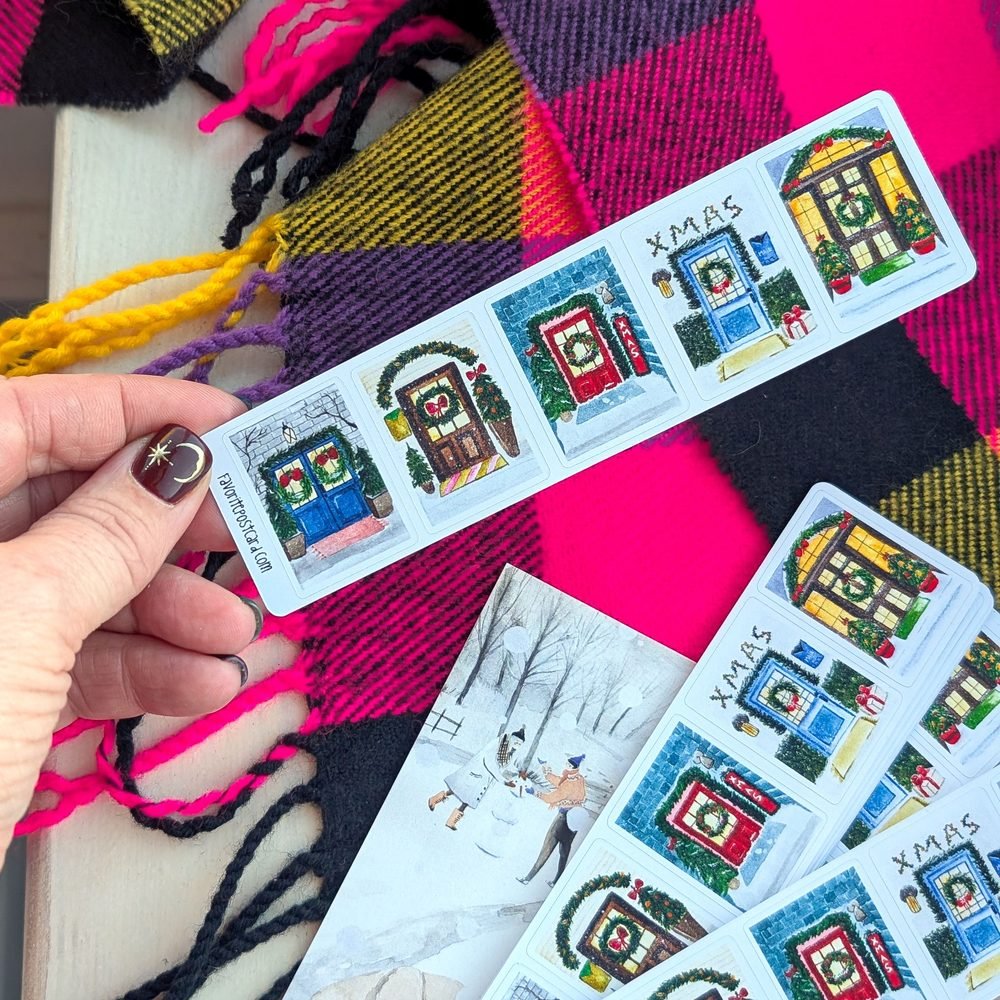
Sticker sheets. These are particularly nice because the recipient can use them on future postcards, in a journal, or when decorating their own outgoing mail.
Washi tape samples. A short piece of washi tape wrapped around a small piece of suitable backing material makes a cute addition. There’s no need to send an entire roll.
A little handwritten note. Sometimes you have more to say than will fit on the postcard, and an extra piece of letter paper solves the problem.
An extra postcard. If you’re swapping with someone who collects particular themes, including a spare blank postcard can be a lovely surprise.
A bookmark. Especially nice if your penpal loves reading. You could even choose one that matches the postcard.
A few decorative paper pieces. Small pieces of patterned paper can be used in journals, collages, or future mail projects.
You can also create a tiny themed stationery selection. For example, a cat postcard, a few matching cat stickers, and a little handwritten note.
Personally, I think a few well-chosen things are much nicer than filling an envelope with random supplies just because there’s room.
One practical note: extra items can change the postage price, mail classification, or customs requirements, particularly when sending internationally. Check what your postal service allows before adding gifts or stationery products.
Are extra goodies expected in Postcrossing?
No, and this is worth remembering.
The only thing you are expected to send through official Postcrossing is a postcard.
You don’t need to include stickers, tea, bookmarks, extra cards, or anything else to make your mail good enough.
It’s lovely when someone sends a little extra, especially if the recipient mentions enjoying such things in their profile. But it should never feel like an obligation.
Postcrossing is already a wonderful exchange without turning every postcard into a miniature gift package.
For direct swaps and penpaling, things are a little different. You can agree with the other person about what you’d both enjoy exchanging, whether that’s one postcard, a decorated envelope, or a small collection of paper goodies.
Just remember that bigger isn’t always better, especially when you’re the one paying the postage.
If I send a Postcrossing postcard in an envelope, where should I write the Postcard ID?
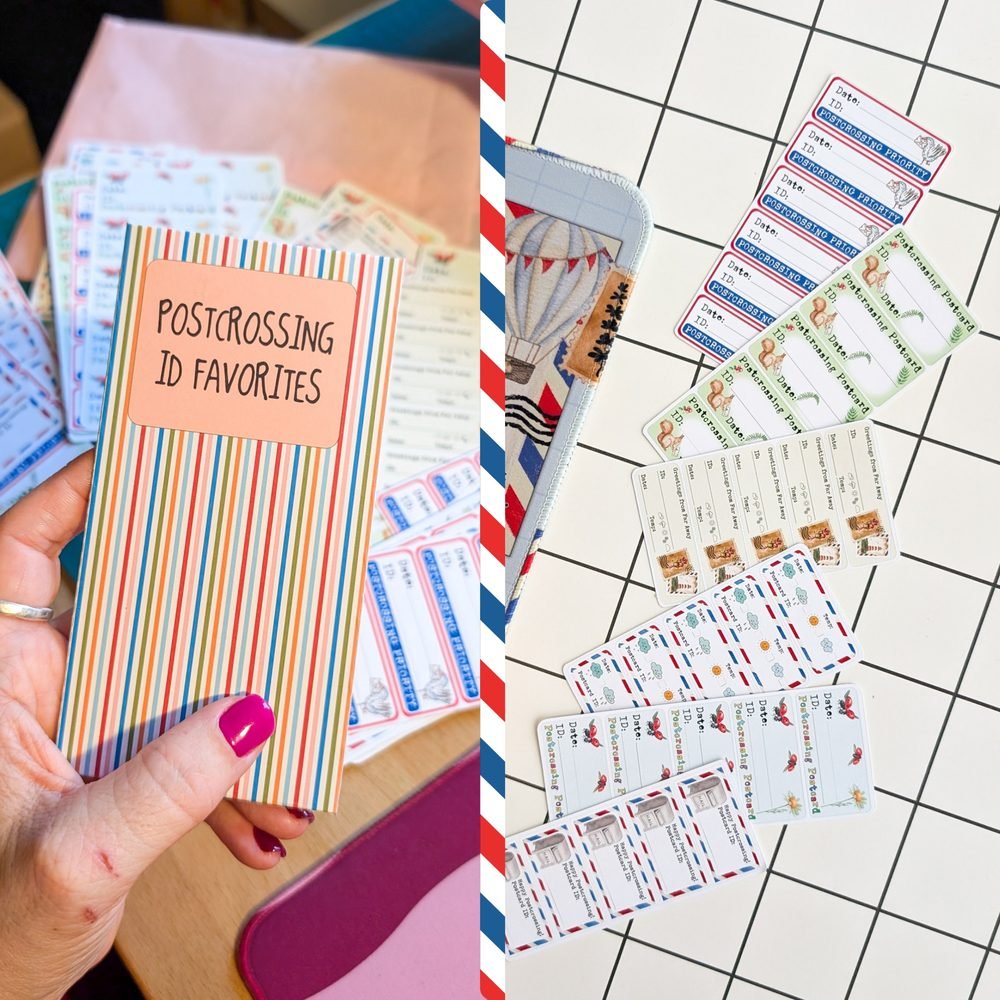
Write the Postcard ID on the postcard itself, even if you’re putting it inside an envelope.
The recipient needs that ID to register your postcard, and envelopes are sometimes thrown away before the card is registered or stored.
Make sure the ID is easy to read and doesn’t get lost among stickers or decorations.
It’s a very small detail, but it’s much better than having someone search for an unknown Postcard ID later.
Should I write on the postcard or leave it blank?
For official Postcrossing exchanges, the normal expectation is a written postcard with a personal message.
Some collectors prefer postcards unwritten, particularly when they’re collecting specific designs or keeping their cards in pristine condition. If you’re participating in a direct swap, you can agree on this beforehand.
But if you’re sending an official Postcrossing postcard, don’t assume that putting it into an envelope means you should leave it blank.
And please remember that a few genuine lines are worth much more than a completely empty back. Even if your handwriting isn’t particularly beautiful.
Is sending a postcard in an envelope more expensive?
Sometimes, yes.
Depending on your country and postal service, postcards and letters may have different postage rates. Adding an envelope also increases the weight, and any little extras can push your mail into a different weight category.
If you’ve ever added one tiny sticker sheet to an envelope and discovered that it now costs considerably more to send, you’ll know exactly what I mean.
Before mailing, check the current postage price for the destination, including the weight, dimensions, thickness, and contents.
And when sending paper goods internationally, remember that some destinations require customs declarations or a different mail service for items classified as goods. A personal letter and an envelope containing stationery gifts may not be treated in exactly the same way.
So, which method should you choose?
Here’s how I’d decide.
Send your postcard without an envelope when:
- You’re sending an ordinary Postcrossing postcard and the recipient hasn’t requested otherwise.
- The recipient enjoys collecting stamps and postmarks directly on postcards.
- You want a traditional, simple postcard experience.
Consider using an envelope when:
- The recipient specifically prefers envelopes.
- You’re sending something delicate or want extra protection.
- You’d like to write a longer, more personal letter.
- You’re preparing a swap or happy mail exchange with some little stationery extras.
- You enjoy creating decorative envelopes and mail art.
And if you aren’t sure, read the recipient’s profile. You can often find your answer there.
One last thought
I’ve received and sent all sorts of mail over the years, and I don’t think there needs to be one perfect way to enjoy postcards.
Some people love postcards covered in stamps, postmarks, and handwritten messages. Others like perfectly clean collections, beautiful envelopes, and small paper surprises.
I enjoy the simplicity of sending a single postcard, but I also understand the temptation to decorate an envelope and tuck a few lovely things inside. Especially when I happen to have some tiny stickers sitting on my desk.
The important thing is to enjoy sending mail and to consider what the person receiving it would appreciate.
How do you prefer receiving your postcards – with an envelope or without one? I’d love to know, especially if you have a particular reason for your preference.
You might also enjoy:
- How to Start Sending Postcards Again After a Break
- How to Choose a Postcard for Postcrossing: A Calm Guide for Any Profile
- Postcrossing Starter Guide
- Everything for Postcrossing
- Postcard Collection
- Postcard message ideas
Helpful external resources
- Postcrossing – How it Works
- Postcrossing – Community
- Cardzilla – Place for exchanging real, physical postcards