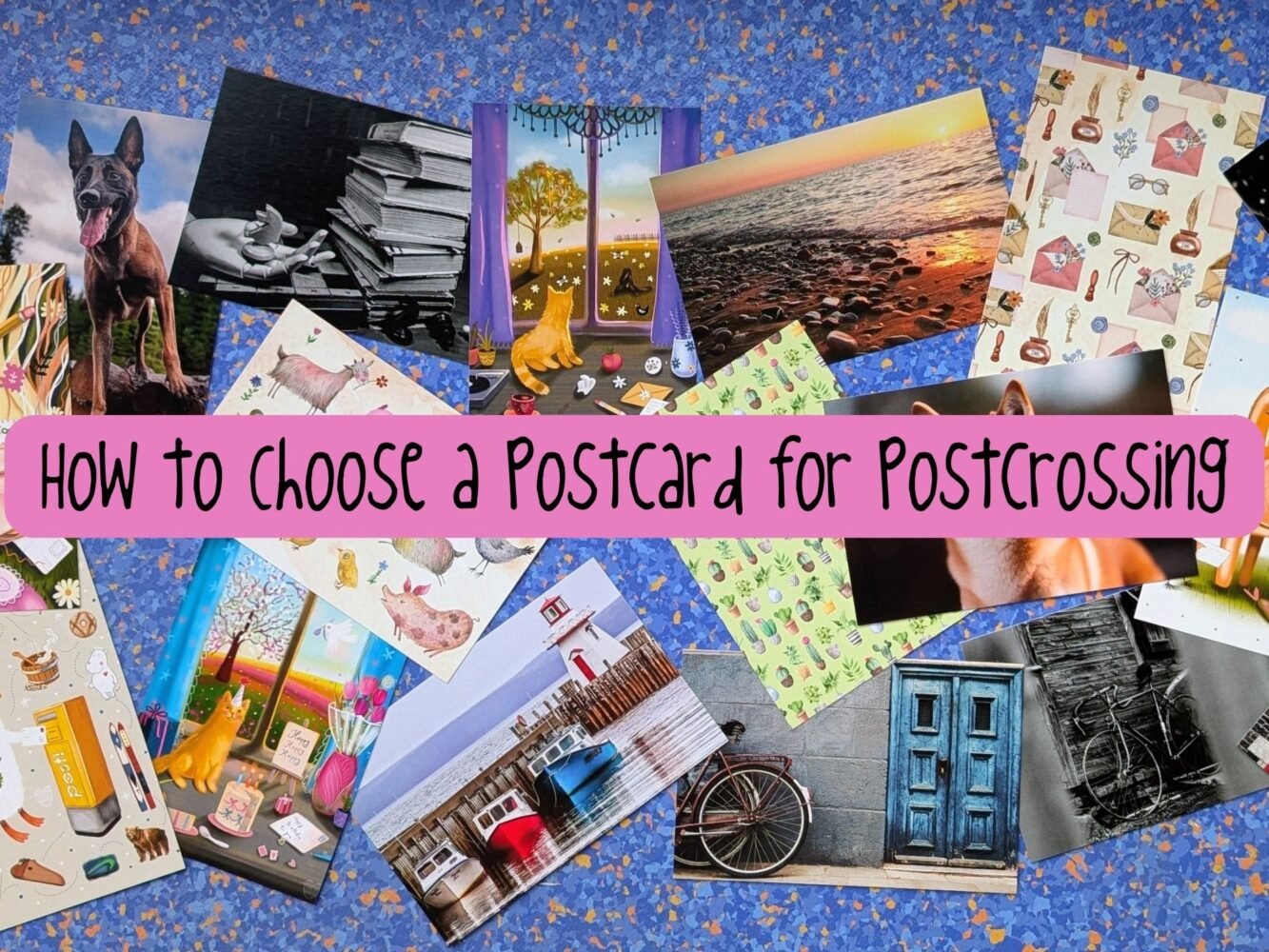
Choosing a postcard for Postcrossing can feel weirdly serious for something that is supposed to be fun.
You request an address, open the profile, and there it is: a long list of favorite themes, disliked themes, dream cards, allergies to glitter, strong opinions about tourist cards, maybe a few “please do not send” requests, and one tiny sentence at the end saying, “But any card is welcome.” Only because Postcrossing rules don’t allow the requests.
Very relaxing. Absolutely no pressure.
Or maybe the opposite happens. You open the profile, and there is almost nothing there. No wishlist, no hobbies, no favorite animals, no favorite colors, no clues except a name (sometimes only a nickname), a country, and a blank space where your confidence used to be.
If you have ever sat in front of your postcard stash thinking, “I don’t have the right card for this person,” this guide is for you.
If you are completely new to the hobby, you may want to start with my Postcrossing Starter Guide first, and then come back here when you are ready to choose your first cards.
The short answer to how to choose a good Postcrossing postcard is to read the profile, look for one or two useful clues, and choose a card that feels like a friendly match. It does not need to be perfect. A thoughtful-enough postcard with a real message is almost always better than spending half an hour hunting for a card that may not even exist in your drawer.
After more than 18 years of sending postcards and running Favorite Postcard since 2011, I have become very convinced of one thing: most people are easier to send postcards to than we make them in our heads.
Let’s make it easier.
Start with the profile, but don’t treat it like a contract
A Postcrossing profile is there to help you, not to scare you.
It gives you clues about the person behind the address: what they like, what they collect, what kind of mail makes them happy, and sometimes what they would rather not receive. That is useful, because it can make choosing a postcard more personal and more fun.
But a profile is not a legal document, a school exam, or a secret personality test you must pass before touching your postcard box.
Some people write very specific wishlists because they enjoy collecting certain themes. Some write long profiles because they are excited about the hobby and love giving ideas. Some write very little because they are shy, new, tired, private, or simply not the type of person who wants to write a full autobiography for strangers on the internet.
Your job is not to fulfil every possible wish, but to send a postcard with care.
So when you open a profile, do not ask yourself, “Do I have the perfect postcard?”
Ask instead:
“What is one thing in this profile I can respond to?”
That small shift makes choosing much easier.
Look for one or two clues
When a profile is long, it is tempting to read everything and then freeze because there are too many options. Instead, look for one or two clues that are easy to match.
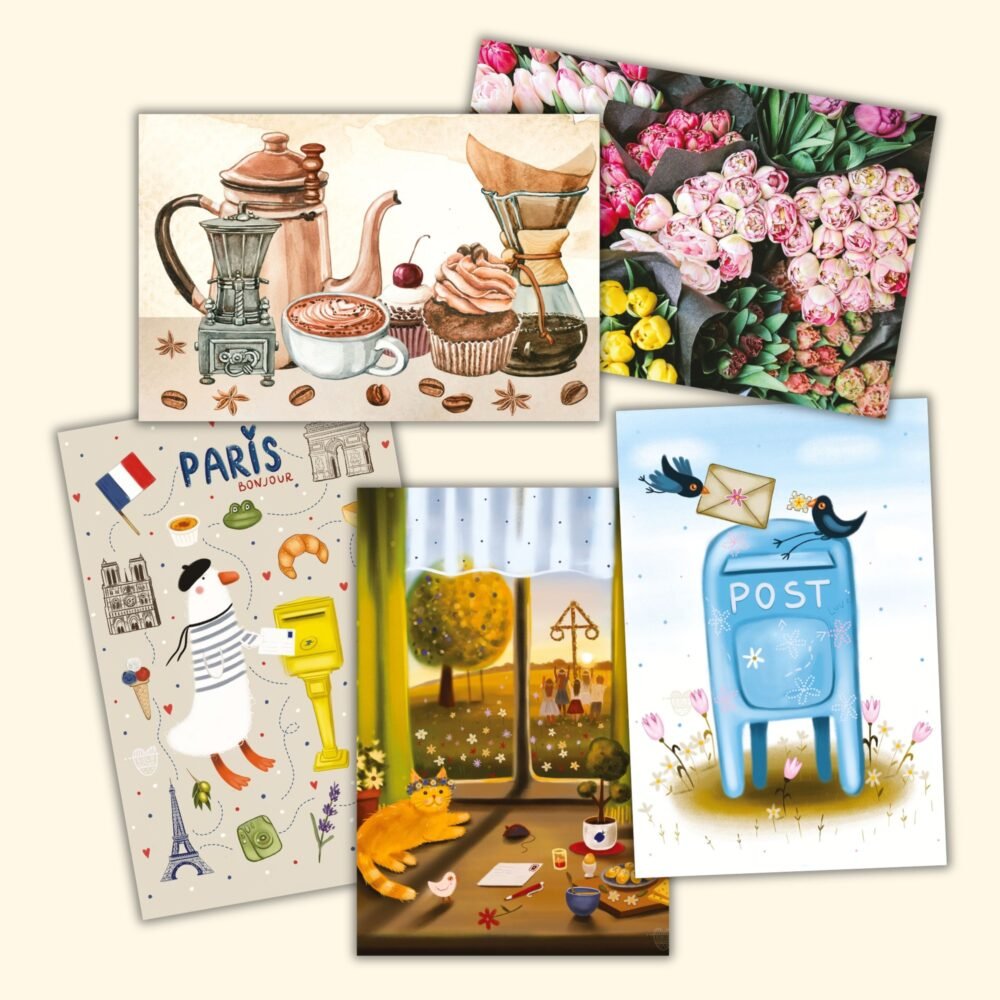
The clues can be obvious:
- cats;
- books;
- coffee;
- flowers;
- trains;
- maps;
- castles;
- birds;
- mailboxes;
- local views;
- handmade-looking illustrations;
- anything blue;
- anything funny.
Or they can be more general:
- they like cosy things;
- they enjoy travelling;
- they collect unusual cards;
- they like calm nature;
- they love everyday life;
- they prefer postcards from your country;
- they enjoy colourful illustrations.
You do not need to match the whole personality of a stranger with one piece of cardboard. You just need to find one small connection.
If someone mentions that they love reading, a book-themed postcard is already a good match. If they mention gardening, flowers or botanical illustrations can work. If they like cats, you know what to do. The internet may be complicated, but cat people are refreshingly direct.
A simple formula for choosing a Postcrossing postcard
When you feel stuck, try this formula:
Profile clue + safe theme + one sentence why you chose it.
For example:
The profile says they like books.
You choose a book-themed postcard.
You write: “I chose this card because your profile mentioned books, and this one felt like a quiet reading afternoon.”
Or:
The profile is empty.
You choose a mail-themed postcard.
You write: “Your profile was a little mysterious, so I chose a card about mail itself, since that is the one thing we definitely have in common here.”
Or:
The profile asks for local views.
You choose a photo postcard from your country.
You write: “This card shows a small piece of Lithuania, and I hope it gives you a tiny window into my part of the world.”
The formula is simple because it should be simple. We are choosing postcards, not negotiating international treaties.
What if the profile is very specific?
Very specific profiles can be helpful, but they can also make people overthink.
Someone may write that they collect only black-and-white street photography, vintage train stations, owls in winter, map cards from small islands, or postcards with a lighthouse and exactly three seagulls. I am exaggerating, but only slightly. Postcard collectors are creative people, and sometimes our wishlists become tiny museums of very specific joy.
If you have exactly what they ask for, wonderful. Send it.
If you do not, look for the closest feeling.
For example, if someone asks for vintage postcards and you do not have one, maybe you have a retro-style illustration. If they ask for local architecture and you do not have a perfect landmark card, maybe you have a street view, a window, a door, or a card that shows everyday life from your country. If they ask for foxes and you do not have a fox, maybe another forest animal is still closer than a random beach view.
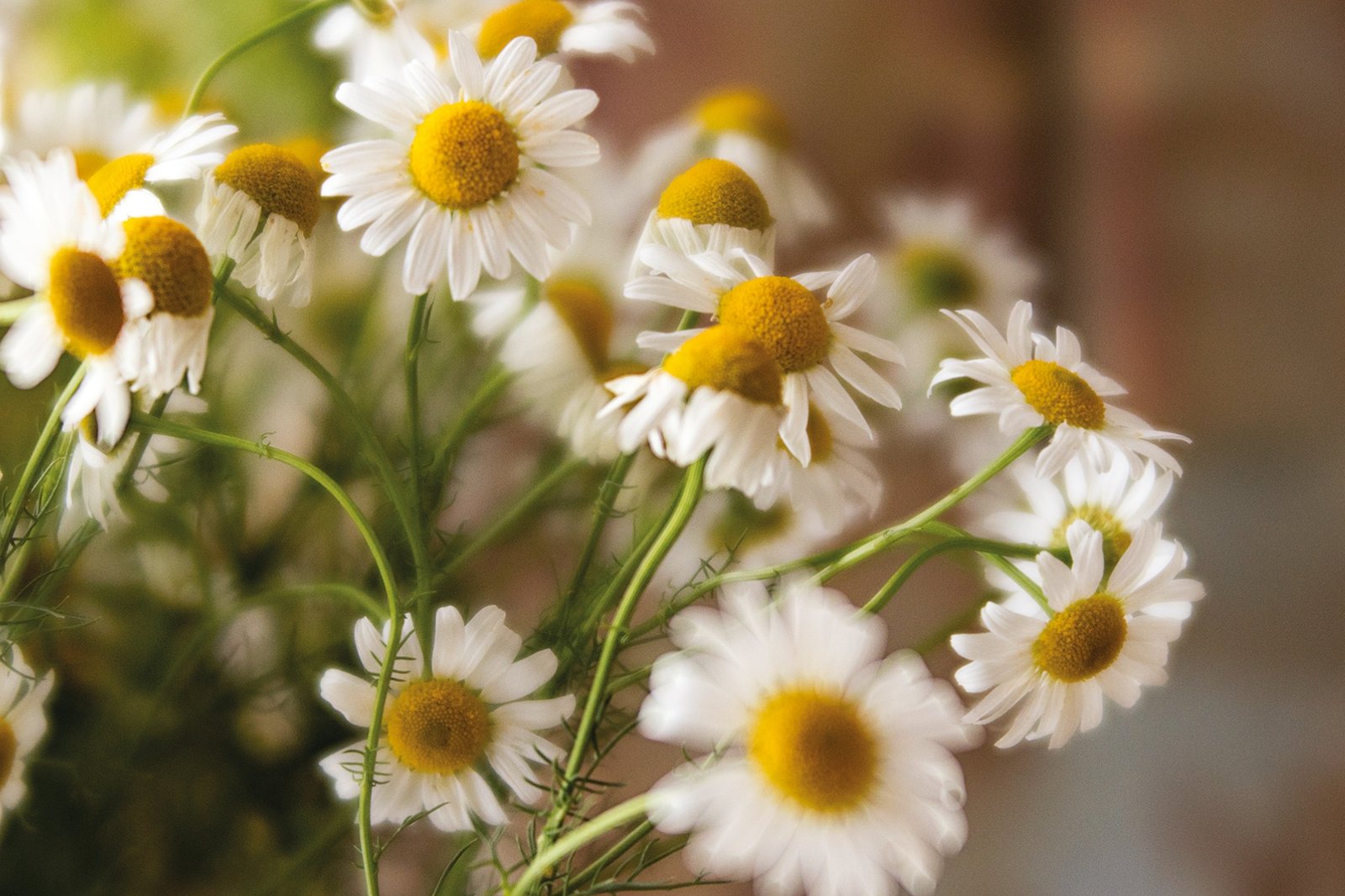
You can also explain your choice in the message.
Something like this is enough:
“I didn’t have exactly the type of card you mentioned, but I saw that you like quiet nature themes, so I chose this one for you.”
That sentence does two useful things: it shows that you read the profile, and it makes the card feel intentional even if it is not a perfect wishlist match.
What if the profile is almost empty?
Blank or very short profiles can feel more difficult than long ones because there is nothing to hold on to.
In that case, choose a postcard that is easy to enjoy without needing much context.
Good options for almost empty profiles are:
- mail or postcard-themed cards;
- local views;
- nature;
- flowers;
- animals;
- books;
- food or coffee;
- everyday life scenes;
- friendly illustrations;
- colourful cards with a clear mood.
When you do not know what a person likes, avoid going too extreme. A very dark, political, religious, strange or niche card may be interesting, but it may also be harder to enjoy if you know nothing about the receiver.
This does not mean you must send boring cards. It simply means that open, friendly themes are safer when the profile gives you no direction.
And you can write a message that acknowledges the mystery in a warm way:
“Your profile was a little mysterious, so I chose a card that felt cheerful and easy to enjoy. I hope it brings a nice moment to your mailbox.”
That is already a thoughtful postcard.
Universal postcard themes that usually work well
Some postcard themes are especially useful to keep in your stash because they work for many different profiles. They are not “generic” in a bad way. They are simply flexible.
Mail and postcard-themed cards
Postcrossers usually love mail. That sounds obvious, but it is true.
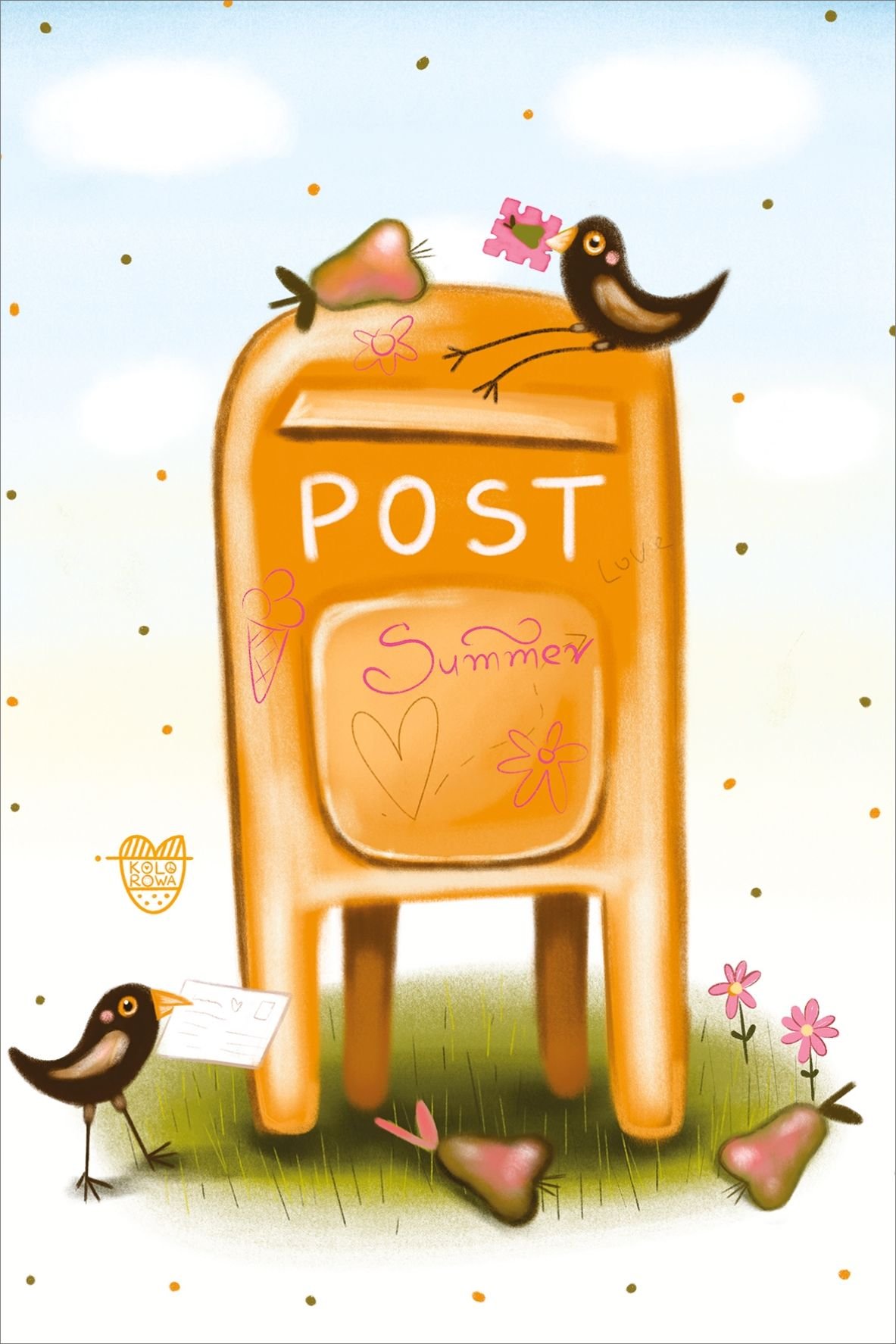
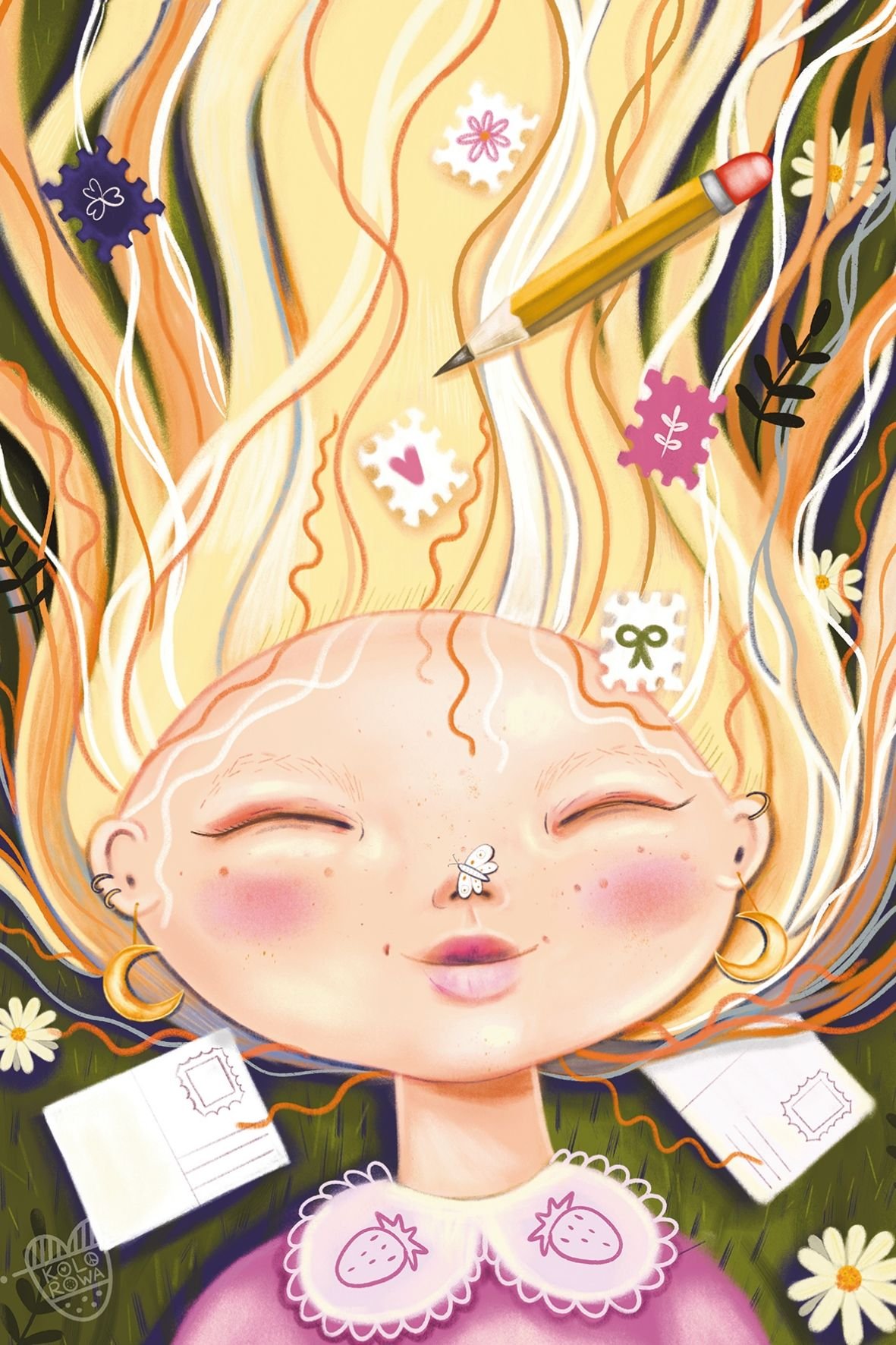
Postcards with mailboxes, letters, stamps, postal birds, envelopes, post offices, writing desks or tiny mail-related details are often easy to send because they speak directly to the hobby itself.
Books and reading
Book-themed postcards are one of the safest choices in Postcrossing because so many people mention reading in their profiles.
A library, a bookshop, a cosy reading corner, a stack of books, a cat with a book, or a fantasy-style bookshelf can all work for different kinds of book lovers.
If you also write one sentence about what you are reading, the card instantly feels more personal.
Animals
Animal postcards are useful because many profiles mention pets, favorite animals, wildlife, birds, cats, dogs, foxes, bears, whales, or farm animals.
Cats are especially powerful in the postcard world. I do not make the rules. I only observe the evidence.
Animal postcards can feel warm, friendly, and easy to connect with, especially if the illustration or photo has a clear mood.
Nature, flowers and plants
Nature cards are another good option because they are calm, beautiful, and rarely too specific.
Flowers, botanical illustrations, forests, lakes, mushrooms, gardens, trees, landscapes, and seasonal nature scenes can work well for people who mention gardening, hiking, calm themes, cottage life, seasons, or natural colors.
They are also good when the profile is short and you want to send something peaceful.
Coffee, tea, and everyday rituals
Coffee and tea themes are cosy and very easy to write about.
A postcard with a cup of coffee, breakfast table, bakery, kitchen shelf or slow morning scene gives you an instant message idea: your own coffee, your favorite tea, a local café, the weather outside, or a tiny moment from your day.
This kind of card often feels personal without being too private.
Local views and everyday life from your country
Many Postcrossers enjoy seeing where other people live, but local does not always have to mean a famous landmark.
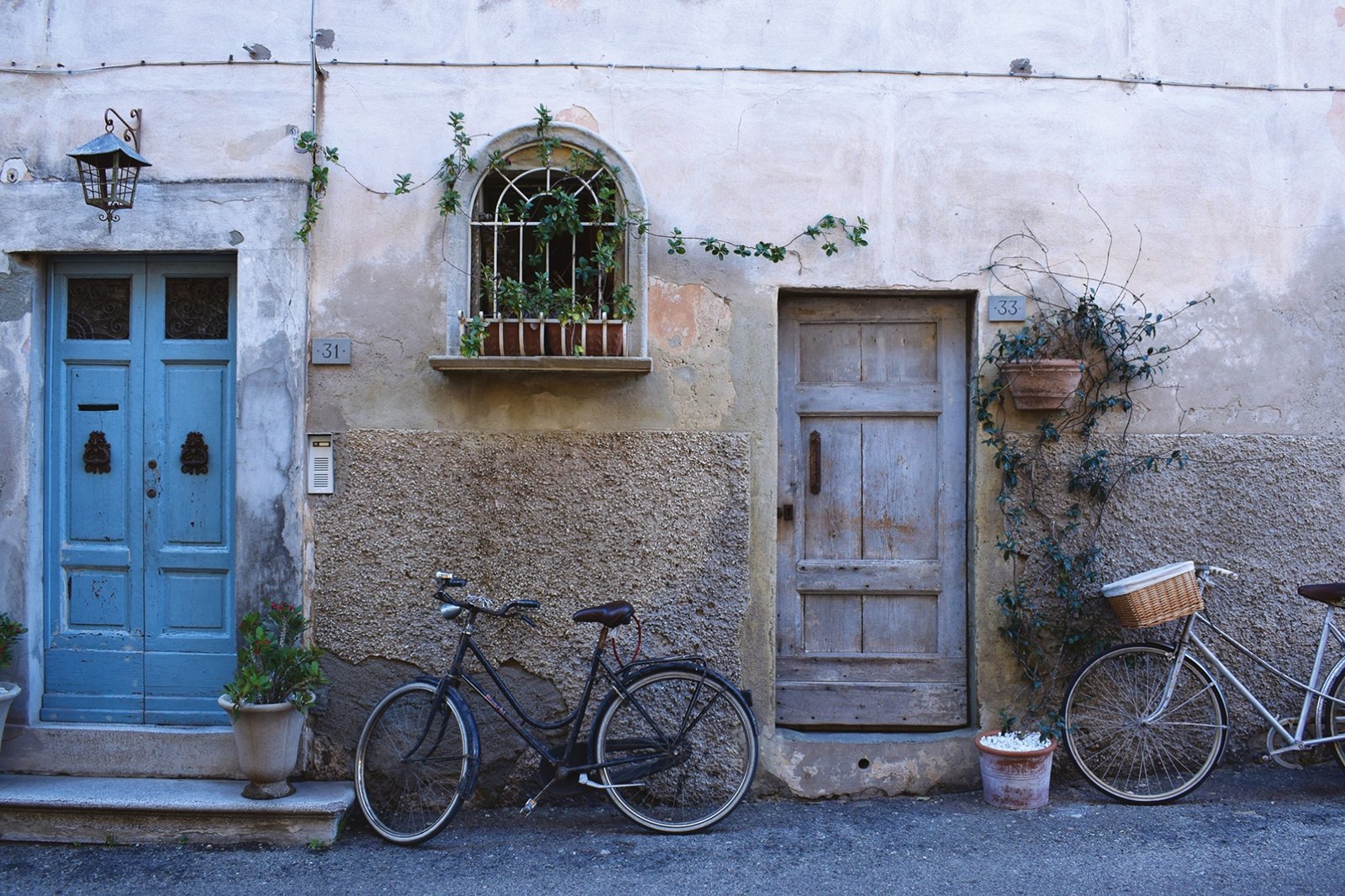
A street, a market, a train station, a house, a lake, a forest, a city corner, a village scene, or even something ordinary from your country can be interesting to someone far away.
If you send a local card, write one small detail about the place. It does not need to be a geography lesson. One real sentence is enough.
Illustrated collections
Illustrated series and themed collections can be very good for Postcrossing because they feel intentional. They often have a clear mood, color palette, or story, which makes them easier to match with profiles.
They are also nice for collectors because a series feels like a small world rather than a completely random card.
Postcard themes that can be tricky
There is no universal list of “bad” postcards. A card that one person dislikes may be exactly what another person collects. That is part of the fun and chaos of Postcrossing.
Still, some themes are a little trickier to send to strangers unless the profile specifically asks for them.
These can include:
- very political cards;
- religious cards, unless requested;
- dark humour;
- very personal jokes;
- erotic or very adult themes;
- cards with strong negative messages;
- advertising cards that do not feel visually interesting;
- cards that require a lot of local context to understand;
- very specific fandom cards when the person has not mentioned that fandom.
This does not mean you can never send unusual cards. It only means that unusual cards work best when the profile gives you a reason to send them.
If someone writes that they love weird cards, strange art, political history, dark humour, or odd vintage finds, then congratulations, your weird postcard drawer finally gets its moment. But if the profile is empty or very gentle, maybe do not start with the haunted clown postcard unless you enjoy living dangerously.
Should you follow every profile request?
I think it is kind to follow profile requests when you reasonably can.
If someone says they prefer written and stamped postcards, I try to respect that. If someone says they do not want handmade cards, religious cards, free ad cards, or tourist views, I take that into account if I can. If someone lists favorite themes, I use them as clues.
But sometimes you do not have exactly what they ask for.
That is okay.
Postcrossing is still a postcard exchange, not a custom shopping service where every sender must own the perfect card for every possible profile. Most people understand that postcards come from real people with real stashes, real budgets, real countries, and sometimes very chaotic desk drawers.
Do your best, choose with care, write a kind message, and send the card.
That is enough.
What if you don’t have the “right” postcard?
This is one of the most common Postcrossing worries, and honestly, I think it steals too much joy from the hobby.
I also wrote a separate post about what to do when you don’t have the right postcard, because this is one of those worries that comes back again and again.
If you do not have the exact right postcard, you still have options.
You can choose a card with a similar theme. You can choose a similar mood. You can choose something from your country. You can choose a safe universal theme. You can choose a card you personally like and explain why.
A short explanation can make a not-perfect card feel much more personal.
For example:
“I saw that you like autumn colours. I didn’t have an autumn card today, but this warm orange illustration reminded me of that mood.”
Or:
“You mentioned that you like local cards. This is not a famous place, but it shows a little everyday detail from my country.”
That kind of message shows that you paid attention. It also makes the postcard feel like a small conversation instead of a failed matching exercise.
Build a small stash that actually helps you
A useful postcard stash does not need to be huge. It just needs to have enough variety that you can answer common profile requests without panicking.
If you want to build a practical Postcrossing stash, I would choose a mix of:
- mail-themed cards;
- book-themed cards;
- animals;
- flowers and nature;
- local views;
- cosy everyday life;
- travel or map themes;
- a few funny cards;
- a few illustrated collections;
- a few cards that simply feel like “safe senders.”
The goal is not to own every possible theme. That way madness lives, and probably several storage boxes.
The goal is to have enough good options that you can usually find one card that fits the profile, the mood or the message.

If choosing from too many postcards makes your brain quietly leave the room, this is also why I keep Postcrossing-friendly postcard sections, bundles and “let me pick” options in my shop. Sometimes the most helpful thing is not more choice, but a better choice.
What about your own taste?
One of the nicest things about Postcrossing is that it connects two people through one card: the person receiving it and the person choosing it.
So yes, the receiver’s profile matters, but your own taste matters too.
A postcard does not have to be something you would personally frame on your wall, but it is nice when you send something you can stand behind. If you choose a card only because you feel forced to match a wishlist, the process can start feeling mechanical. If you choose a card with both the receiver and your own little postcard instinct in mind, it feels more like real mail.
Sometimes the best card is not the most technically perfect match. It is the one you can write about naturally.
If you can say, “I chose this because…” and the sentence feels honest, you are probably fine.
Do you need to buy special postcards for Postcrossing?
No. You can start Postcrossing with any postcard that can be mailed, as long as it fits postal requirements and has space for the address, stamp, Postcard ID, and message.
You do not need a professional postcard stash before sending your first card.
But over time, many Postcrossers do start building a stash because it makes the hobby easier and more fun. When you have a few reliable themes ready, you spend less time worrying and more time actually sending.
That is why I think of good Postcrossing postcards as useful tools, not just pretty paper.
A good postcard gives you somewhere to begin.
Final thought: good enough is often enough
Choosing a postcard should not feel like a test.
It is easy to forget that the person on the other side is usually not waiting with a checklist and a red pen. They are waiting for mail. They are waiting for a small surprise. They are waiting for a card that travelled from one real person to another real person.
So read the profile. Look for a clue. Choose with care. Write one kind sentence about why you picked the card. And if choosing the card is not the hard part, but writing the message is, my Postcard Writing Ideas guide can help with that next step. Also you can download my free guide 50 Things to Write on a Postcard.
Then send it.
A postcard does not need to be perfect to make someone happy. It just needs to leave your desk and find its way to someone else’s mailbox.
Frequently asked questions about choosing Postcrossing postcards
What is the best postcard to send for Postcrossing?
The best postcard to send for Postcrossing is one that matches at least one clue from the recipient’s profile and is easy to enjoy. It does not have to match every request perfectly. A thoughtful card with a personal message is usually enough.
What should I send if the Postcrossing profile is blank?
If the profile is blank or very short, choose a friendly, universal theme such as mail, books, animals, nature, flowers, local views, everyday life or a cheerful illustration. You can also write that the profile was a little mysterious, so you chose something you hoped would be easy to enjoy.
Are tourist postcards good for Postcrossing?
Tourist postcards can be very good for Postcrossing, especially if the person asks for local views, places, architecture or postcards from your country. They work best when you add a small personal note about the place, instead of only sending the view without context.
Are handmade or ad postcards okay for Postcrossing?
This depends on the receiver’s profile. Some people love handmade or unusual cards, while others prefer regular store-bought postcards. If you want to send handmade, ad or unusual postcards, check the profile first and use your judgment.
What if I don’t have any postcards from the receiver’s wishlist?
Choose the closest theme, mood or idea you have. If nothing matches exactly, send a safe and friendly postcard, and explain your choice in the message. A sentence like “I didn’t have exactly what you asked for, but this card reminded me of the mood you mentioned” can make the card feel thoughtful.
You might also enjoy:
- Why Is It So Hard to Know What to Write on a Postcard?
- Everything for Postcrossing
- Postcard Collection
- How to Start Sending Postcards Again After a Break