A few years ago, I probably would have called all of these things the same.
Mail club. Subscription box. Happy mail. Monthly stationery package.
At some point, the internet became full of all of them, and now they somehow mean slightly different things depending on who you ask.
Some people want a huge mystery box arriving every month with twenty surprise products inside. Others just want a small envelope with a few thoughtful paper goods that make checking the mailbox feel fun again. I completely understand both.
After spending way too many years in the Postcrossing and stationery world, I started noticing that people often search for “mail clubs” while actually looking for something much calmer and more personal than a traditional subscription box.
That difference is probably one of the reasons why mail clubs suddenly feel so popular again.
What is a subscription box?
A subscription box is usually built around recurring deliveries.
You subscribe once, your card gets charged automatically, and every month a new package appears at your door. Depending on the niche, it can include anything from stationery and stickers to books, snacks, cosmetics, candles, or random lifestyle products.
Most subscription boxes focus on:
- surprise
- quantity
- monthly excitement
- recurring memberships
- larger themed collections
Some people absolutely love that model. Others eventually realize they have three drawers full of unused stickers and twelve unread themed notebooks sitting somewhere in the house. No judgment. The stationery community is not exactly known for self-control.
What is a mail club?
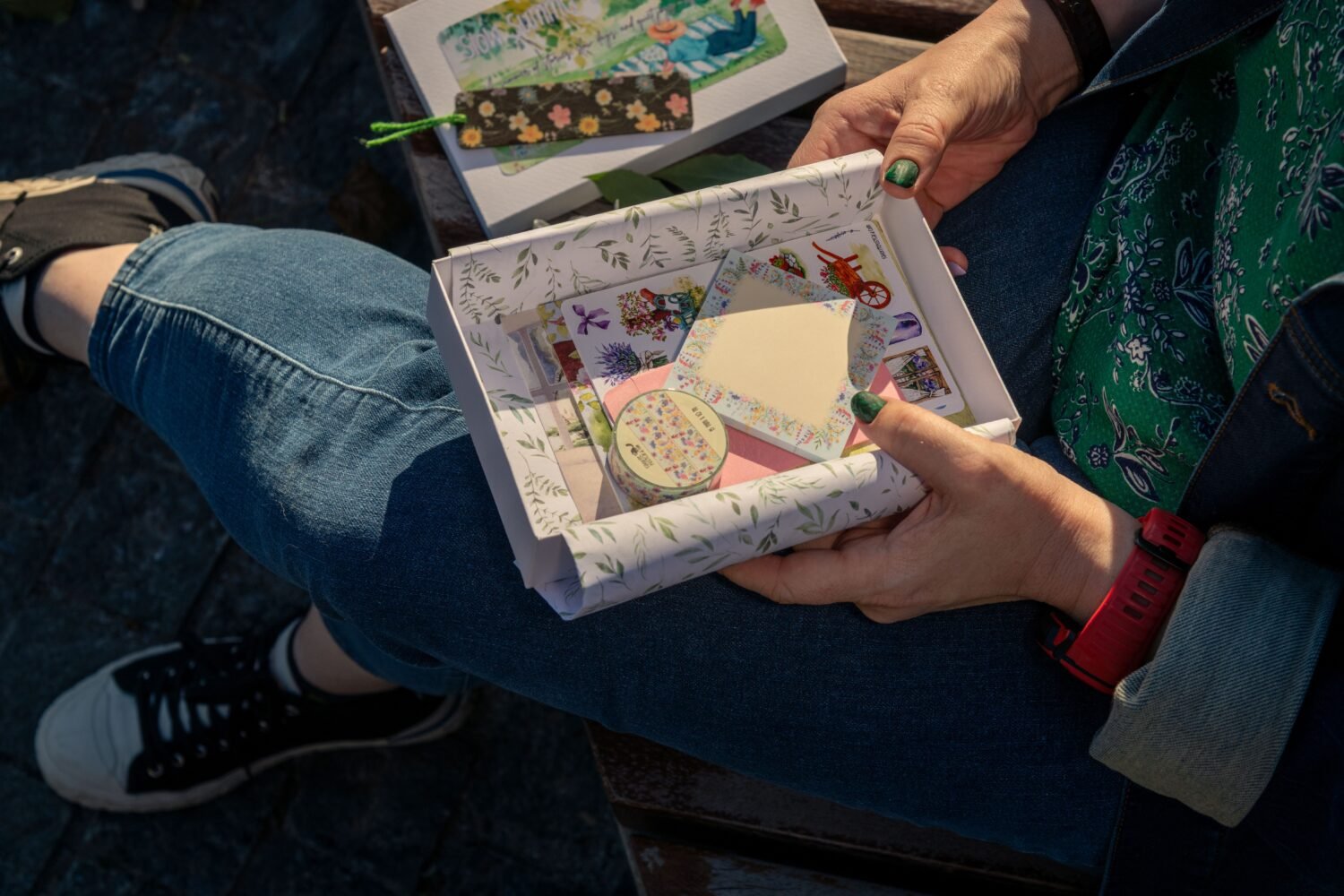
A mail club usually feels smaller, more personal, more niche, and less corporate.
Instead of feeling like a giant subscription service, many mail clubs feel closer to receiving thoughtful, happy mail from a real person.
The focus is often less about getting “a lot of stuff” and more about:
- atmosphere
- collecting
- creativity
- slower hobbies
- the excitement of physical mail
Mail clubs became especially popular among:
- Postcrossing users
- stationery lovers
- journal keepers
- readers
- snail mail hobbyists
- people who are quietly tired of spending their entire lives online
Honestly, I keep seeing more people talk about this online lately. Not necessarily because they need more products, but because they miss physical experiences that feel slower and more human again. Here is a topic on the official Postcrossing forum.
| Mail Club | Subscription Box |
|---|---|
| Smaller, more personal | Often larger scale |
| Usually optional releases | Recurring monthly payments |
| Built around hobbies and atmosphere | Often built around quantity and surprise |
| Feels closer to happy mail | Feels closer to a product service |
Why I didn’t want Favorite Mail Club to become a traditional subscription
When I started planning Favorite Mail Club, I knew almost immediately that I did not want it to work like a typical subscription. The world already has enough subscriptions. Streaming subscriptions. App subscriptions. Memberships. Monthly charges you forget about until your bank account suddenly reminds you.
I wanted something that feels optional and fun instead of something people feel guilty about canceling later. So Favorite Mail Club works more like a limited monthly mail drop.
If you love that month’s theme, you can join.
If you skip a month because life is expensive, chaotic, or simply busy, that is completely fine too.
No pressure. No commitment. No “you must stay subscribed for six months” situation.
Why smaller mail clubs often feel different
Large subscription boxes are usually designed to scale. That often means broader themes, bigger production, and products that appeal to as many people as possible.
Smaller creator-led mail clubs usually feel much more specific. Some focus entirely on:
- postcards
- journaling
- fantasy themes
- books
- snail mail
- artist illustrations
- seasonal paper goods
You can usually feel when a mail club was created by somebody who genuinely belongs to the hobby community instead of simply targeting it as a trend. That difference matters more than people think.
Are mail clubs worth it?
I think that completely depends on what kind of experience you are looking for.
If you enjoy large surprise packages and recurring monthly deliveries, traditional subscription boxes can be really fun.
But if you prefer slower hobbies, collecting, paper goods, and small, thoughtful details, mail clubs often feel much more personal.
Lately, even larger media outlets have started noticing how strongly people are returning to analog hobbies and offline rituals again.
Checking the mailbox feels strangely exciting when so much of modern life happens behind screens. Maybe that sounds dramatic for pieces of paper, but apparently, a lot of people feel the same way lately.
What comes inside Favorite Mail Club?
Favorite Mail Club is built mostly for people who still get excited about real mail.
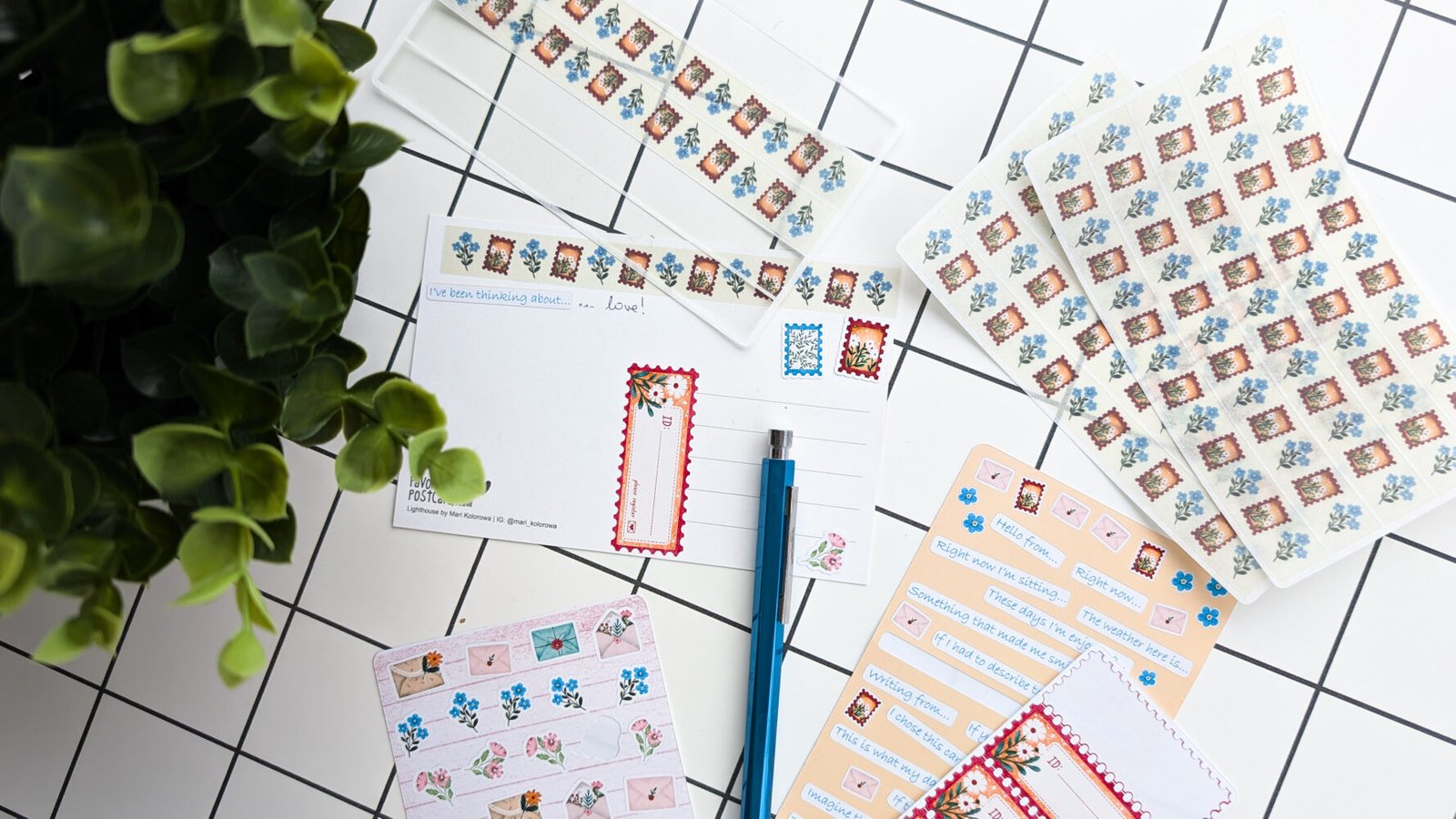
Depending on the edition, it may include:
- postcards
- sticker sheets
- writing prompts
- small paper extras
- exclusive designs created specifically for the club
The goal is not to overwhelm people with products. I want it to feel more like opening thoughtful mail than opening a warehouse shipment. That difference became surprisingly important to me while creating it. I think that’s what many people are really looking for now. Not more things. Just experiences that feel a little more human again.
Related posts
Why Mail Clubs Feel Popular Again (And Why I Didn’t Want a Traditional Subscription)
Postcrossing Explained: Answers to the Most Common Questions (From a 17-Year User)