Postcard drawers are patient. They can sit quietly through busy months, house moves, changes in routine, and those slightly mysterious periods when even enjoyable hobbies begin to feel like another task on the list.
Then one day you open the drawer again. The postcards are still there. The stamps may or may not still match the current postage rate. At least three pens have stopped working. Your Postcrossing account hasn’t been active for months, or perhaps years, and sending a postcard suddenly feels much more complicated than you remember.
If this sounds familiar, you are not starting from zero. You are simply returning.
I have been sending and receiving postcards from childhood and for more than 18 years via Postcrossing, and during that time my pace has changed many times. There have been weeks filled with outgoing mail and quieter periods when very little was sent. A long-running hobby does not have to run at the same speed all the time.
The shortest answer to how to start sending postcards again is this: check that your practical details are still up to date, choose one postcard for one person, write something real, and send it. You do not need a new system, a large order of supplies, or a dramatic comeback announcement.
Why Did You Stop Sending Postcards?
You do not need to conduct a full investigation into your past self, but it helps to know what made the hobby difficult.
Perhaps life simply became too busy. Maybe postage became more expensive, you ran out of suitable postcards, or you got tired of trying to match every detailed profile perfectly. You might have moved, changed jobs, started another hobby, or found yourself with less energy than before.
Sometimes we stop because a hobby quietly becomes too demanding. What began as “I will send a postcard” turns into choosing the perfect design, finding the perfect stamp, writing an interesting message, decorating the empty corner, and taking a photograph before sending it.
That is quite a job description for one piece of paper.
If perfection was part of the reason you stopped, returning with an even more elaborate system will probably not help. Try to identify the part that created the most resistance and make that specific part easier.
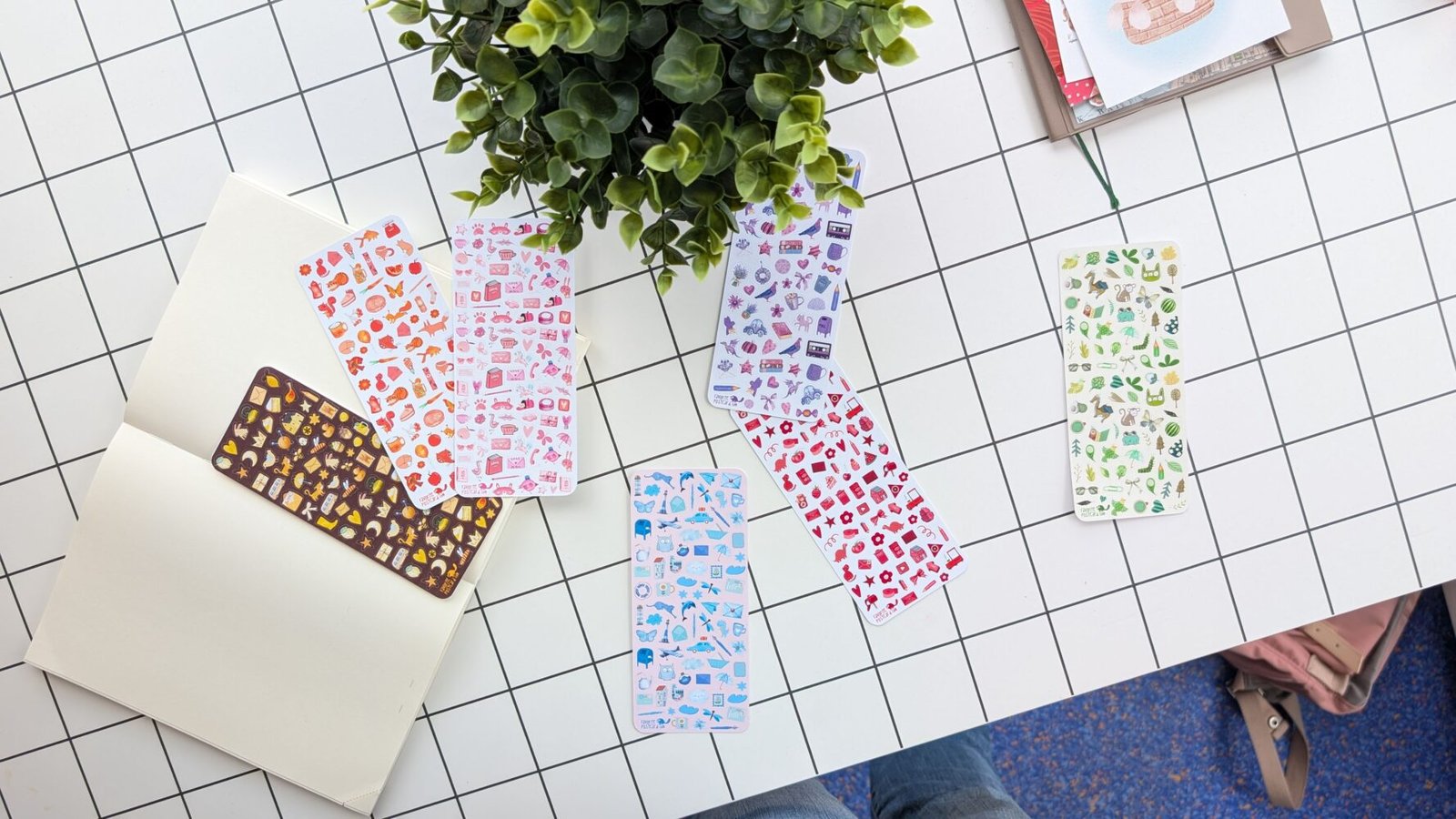
If choosing took too long, begin with a small selection of versatile postcards. If writing felt difficult, keep a few prompts nearby. If the practical steps were scattered across the house, put your stamps, pens, and Postcrossing ID stickers in one place.
You do not need to rebuild the whole hobby, just to remove one obstacle.
Check Your Postcrossing Account, Address and Postage
If you are returning to Postcrossing after a longer break, spend a few minutes checking your account before you send anything.
Make sure that:
- your postal address is correct;
- your email address is still active;
- your profile still reflects what you enjoy receiving;
- the postage rate you remember is still current;
- your local postal service has not introduced relevant restrictions or changes.
Postage prices and international mailing conditions change, so check the current information provided by your own postal operator rather than relying on an old stamp chart or a forum post from several years ago.
It is also worth looking through your supplies. Test your pens, check whether your stamps are still usable, and make sure you have space to write the Postcard ID clearly. Discovering that your only pen has dried out after you have already found the perfect card is a very small problem, but somehow an exceptionally irritating one.
If Postcrossing itself feels unfamiliar after the break, my Postcrossing Starter Guide can help you refresh the basic process without making you feel as if you have never seen a mailbox before.
You Do Not Need New Supplies to Start Sending Again
Returning to postcards can create a sudden urge to buy everything again. New postcards, new pens, seven rolls of washi tape, and enough stickers to decorate mail until approximately 2043.
New supplies can certainly make a hobby feel exciting, but they are not a requirement for starting again.
First, look at what you already own. Choose ten or fifteen postcards that still feel easy to send. They do not have to represent your entire taste or cover every possible profile. A small selection of useful themes is enough.
Postcards about books, animals, nature, local places, mail, everyday life and gentle humour are often easier to match than very specific designs. The best postcard is not always the most unusual one. It is the one that gives you a natural starting point for a message.
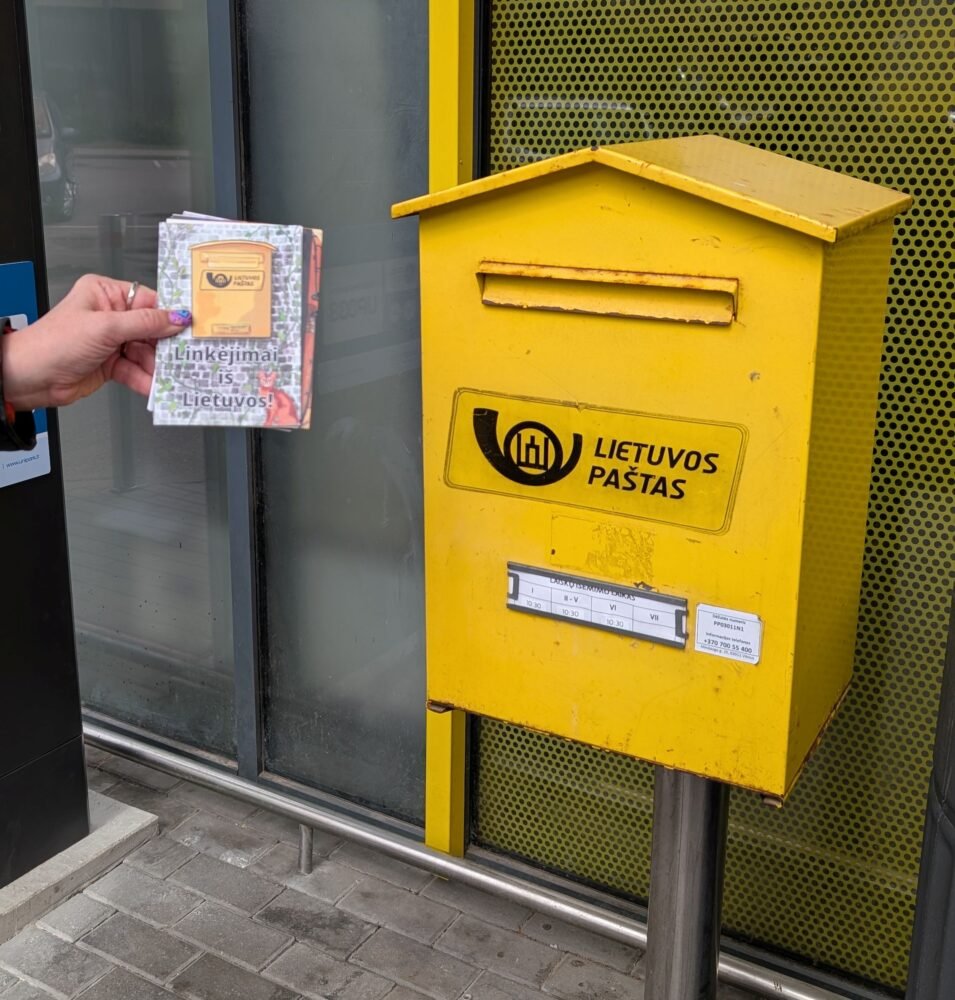
If your old collection no longer feels like you, that is also fine. Taste changes. A postcard you loved five years ago does not need to remain your favourite forever simply because it has been waiting patiently in a drawer.
You can keep it, send it, or pass it on. Your postcard collection is not a legally binding agreement with your former self.
If you genuinely need a fresh starting point, choose a small set rather than trying to prepare for every possible situation. You can browse my postcard collection or use Let Me Pick or postcard bundles if making the first selection is the part that keeps stopping you.
Choose an Easy First Postcard
This is not the moment to challenge yourself with the most complicated profile you can find. The goal of the first postcard is not to prove that you are still excellent at the hobby. Its job is to leave your house.
If you are unsure how to match a card to a profile, you can read How to Choose a Postcard for Postcrossing. The same principle applies whether you own twenty postcards or two thousand: read the profile for connection, not as a test you might fail.
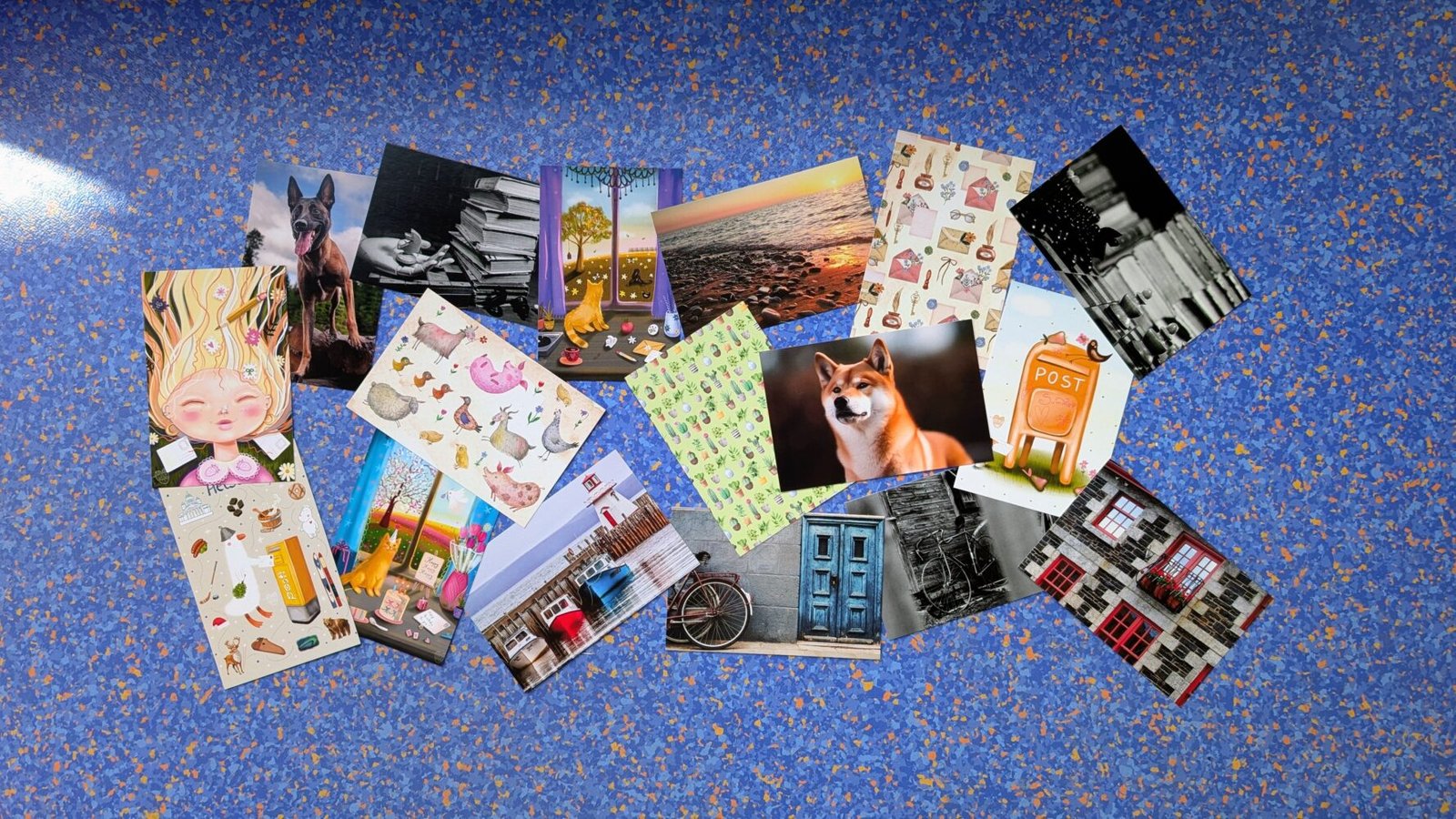
A good match does not have to be exact. If someone loves forests and you have a postcard showing a small cabin among trees, that is already a connection. If they enjoy books and you have an illustration of a cosy room with a bookshelf in the background, you do not need to continue searching for another forty minutes. At some point, choosing has to become sending.
What to Write on Your First Postcard After a Break
After a break, the empty writing side can feel surprisingly large. You may think you should explain where you have been, produce an entertaining story, or write something memorable enough to justify your return.
The person receiving your postcard does not need a report on your absence. They do not even know that this is your first card in months.
Write about the day you are actually having. Mention the weather if it is doing something worth mentioning, but you can also write about the book beside you, what you had for breakfast, a place you recently visited or the reason you chose that particular postcard.
Something as simple as this is enough:
“Today I am writing postcards again after a long break. I chose this one for you because the little house reminded me of the quiet places you mentioned in your profile.”
That is a real message. It connects the postcard, the recipient, and one small detail from your life. It does not need a surprising ending.
If the words still refuse to arrive, my free 50 Things to Write on a Postcard guide is there for exactly this situation. You do not have to use a prompt word for word. Sometimes one question is enough to give your brain a direction.
Keep Your Postcard Supplies in One Place
Many hobbies are not difficult because of the main activity, but because of all the tiny steps around it.
You may want to write a postcard, but the stamps are in another room, the address labels have disappeared, and the pen you like is at the bottom of a bag. By the time everything is found, the interesting part of the evening is over.
A ready-to-send postcard corner does not need to look like a perfect stationery desk like in Pinterest. A box, tray or drawer is enough. Keep the things you use most often together:
- a few postcards;
- one or two reliable pens;
- current stamps;
- address labels, if you use them;
- Postcrossing ID stickers;
- a small amount of decoration.
I make Postcrossing ID stickers because they solve one very ordinary problem: the Postcard ID needs to be visible and easy to read, even when the rest of the card is covered with handwriting. They are not essential, but they remove one repeated little task, and repeated little tasks are often the ones that quietly stop us.
The same is true of washi tape and decorative stickers. Use them if decorating is part of the pleasure. Skip them if they turn one postcard into a twenty-minute design project that you did not actually want.
The hobby is sending postcards. Everything else is optional.
Find a Postcard Routine That Fits Your Life Now
It is easy to remember a previous version of your hobby and assume that returning means recreating it exactly.
Perhaps you once sent ten postcards every week. That does not mean ten is still the correct number for your current life. You may now prefer one card on Sunday morning, three cards at the end of each month, or a short postcard evening whenever you have enough energy.
Choose a rhythm that feels almost too easy at first.
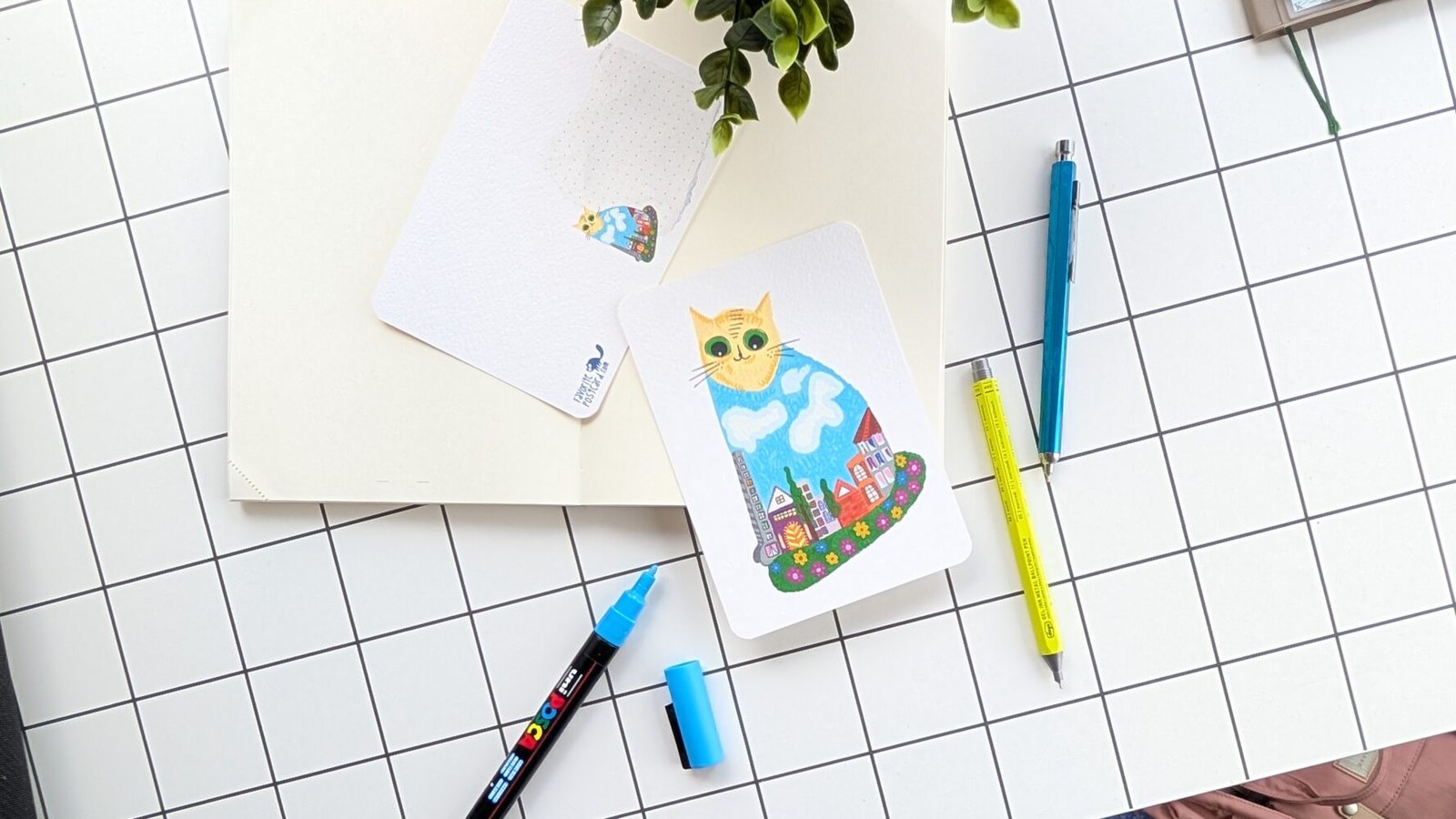
One postcard a week may not sound ambitious, but it becomes more than fifty postcards in a year. More importantly, it gives the hobby somewhere to live in your normal routine.
You can always send more when you feel like it. It is much harder to continue if your new plan immediately requires a spreadsheet, a colour-coded calendar and a personal postal department.
Postcrossing already has a travelling postcard limit built into the system. You do not need to turn that limit into a target. It tells you how many postcards you can have travelling, not how many you must send.
You Do Not Need to Catch Up
A break can create a strange sense that you are behind. Other people have sent hundreds of cards, joined meetups, discovered new artists and organised collections while you were away. You may see their updates and feel as if the hobby continued without you.
It did, of course. That is one of the nice things about a community. It does not disappear when one person becomes busy. But you do not need to catch up with it.
You do not have to read every missed discussion, find every postcard design released during your break, or compensate by sending a large stack immediately. Start from where you are now.
Make the Second Postcard Easier Than the First
The first postcard proves that you can begin again. The second one turns that beginning into something that might continue.
Before you put the first card in the mailbox, make the next step easy. Leave another postcard on your desk. Draw one more address if that feels comfortable. Put your working pen back in the same place instead of allowing it to disappear into the house again.
You do not need to use the first burst of enthusiasm to prepare twenty cards. Leave yourself a reason to return to the table. A hobby becomes part of life through repetition, not through one very productive evening followed by another six-month break.
A few questions about returning to postcards
Can I return to Postcrossing after several years?
Yes. First, check that you can access your existing account and that your address and profile details are still correct. Read the current information on the Postcrossing website and check your local postal rates before sending.
Do I need to explain why I stopped?
No. You can mention that you are returning if you want to, but the recipient does not need a full explanation. A postcard is allowed to begin with today.
How many postcards should I send at first?
One is enough. Send more only if the first one makes you want to continue, not because you think returning has to look impressive.
What if I no longer like my old postcards?
Keep the ones you still enjoy and let the others go. You can send them to suitable recipients, use them for swaps, or pass them to another postcard person. Changing taste is normal.
Do I need to buy new postcard supplies?
No. Start with what you already have. New postcards or practical supplies can help if your old collection no longer works for you, but shopping is not the first required step.
What if I still do not know what to write?
Choose one ordinary detail from your day and connect it to the postcard or the recipient’s profile. You do not need perfect English, an exciting life story or a particularly clever opening. You need something real.
Your postcard drawer has not been keeping score
Returning to a hobby does not require an apology. It also does not need a complicated plan.
Check your details. Find one postcard. Choose one person. Write a few honest sentences, add the correct postage and send it.
Then see whether you would like to do it again.
Your postcard drawer has waited this long. It can probably wait until next week for postcard number two.
You might also enjoy:
- Why Is It So Hard to Know What to Write on a Postcard?
- Postcrossing Starter Guide
- Everything for Postcrossing
- Postcard Collection
- Postcard message ideas