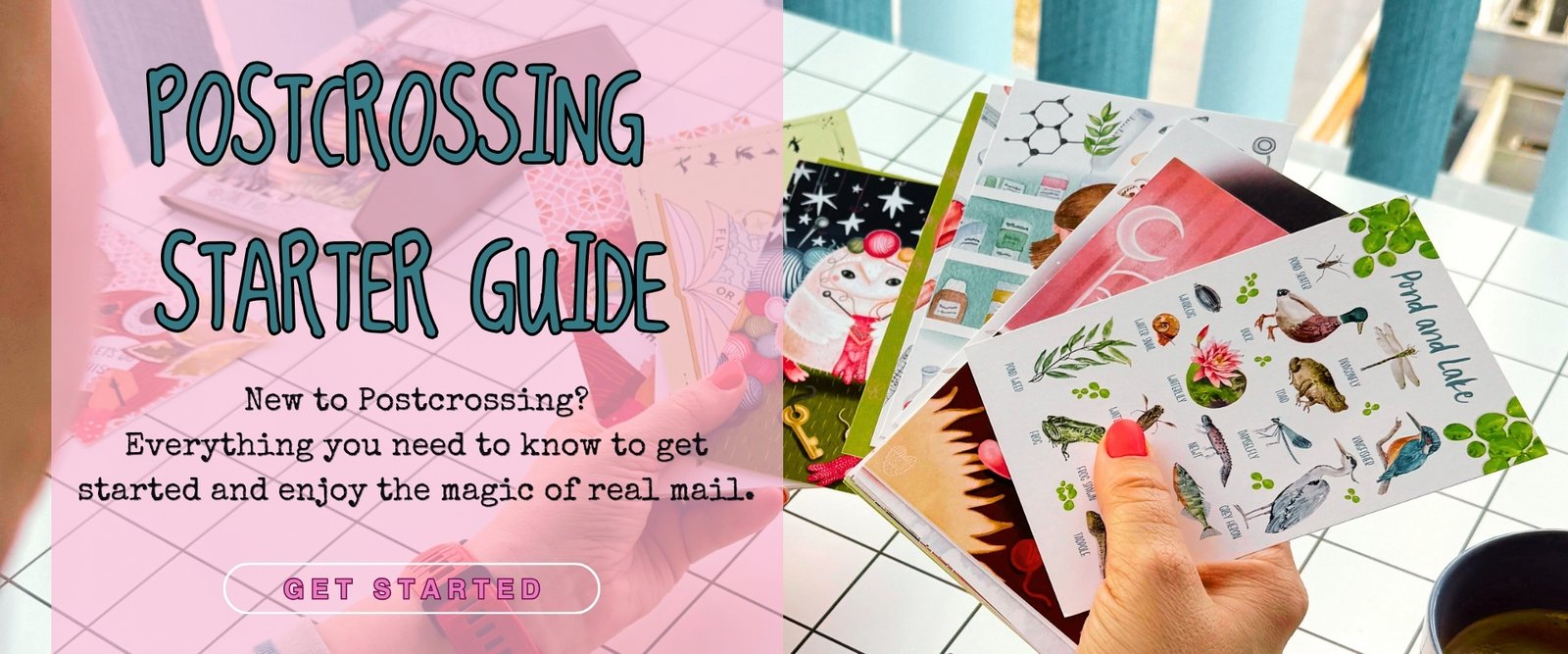
I run a small postcard, gifts, and stationery shop in Europe, and for more than a decade, postcards have been passing through my hands every single day. Thousands of orders, tens of thousands of cards, countless messages from Postcrossers.
So when people ask me what postcards are best for Postcrossing, my answer is never “the prettiest ones”.
I choose postcards a little differently than people expect.
I don’t start with trends. I don’t start with what looks impressive on Instagram. And I definitely don’t start with what sells fast for a week. I start with one simple question: Will this card feel right in a stranger’s hands, somewhere far away?
Over the years, after packing thousands of orders and reading countless Postcrossing profiles, I’ve learned that postcards don’t succeed because of paper or print quality alone. They succeed because of themes. The right theme travels further, gets written on more often, and is remembered longer.
Universality matters more than originality
Some themes are almost universal.
Things like:
- books
- cats
- plants
- everyday objects
- coffee
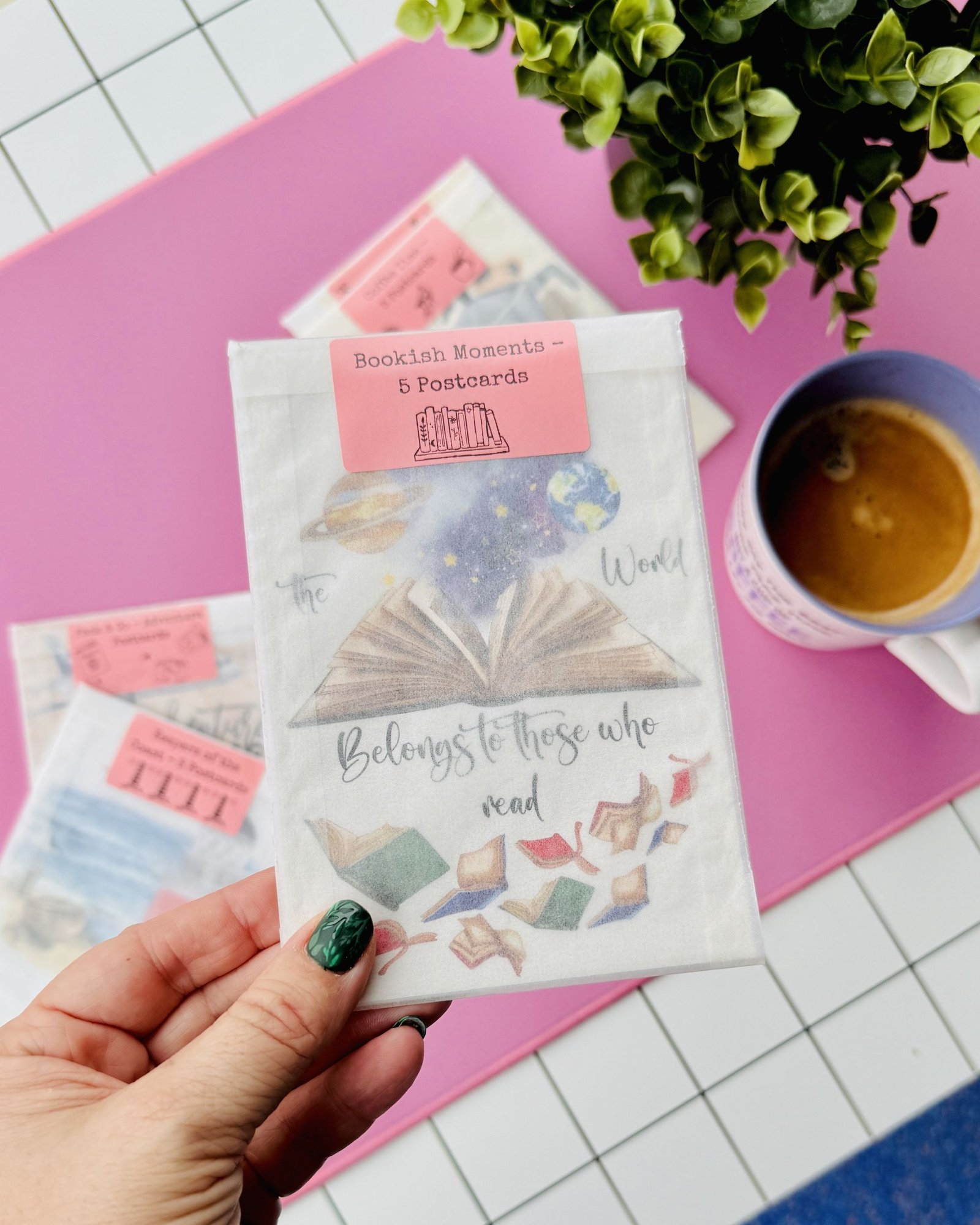
These themes cross cultures easily. A book on a postcard doesn’t belong to one country or one language. A cat doesn’t need explanation.
The best postcards feel personal, not specific
There’s a difference between personal and specific.
Very specific themes often rely on shared cultural references. Inside jokes, local humor, political statements, hyper-trendy topics. They can be brilliant, but they also limit who feels comfortable sending them.
Postcrossers often send cards to people they don’t know at all. In that situation, a card that feels gentle and open works better than one that demands interpretation.
Themes that suggest a mood rather than a message work especially well:
- cozy moments
- reading
- writing
- travelling
These allow the sender to project their own story onto the card.
Familiar themes build trust
I see this clearly in repeat orders.
People come back to the same themes again and again. Not because they are exciting, but because they are reliable. When someone orders five different postcards with books, or keeps adding botanical designs to their cart, that tells me something.
Familiar themes feel safe.
Safe themes get used.
Used postcards are the ones that travel.
That’s why I often build small series around themes that prove themselves over time.
Country-based sending changes everything
One thing that strongly influences theme choice is the destination country.
Postcrossers think about this constantly, even if they don’t always say it out loud.
Some themes are considered:
- universally acceptable
- culturally neutral
- emotionally warm
Others feel risky depending on the destination.
I choose themes that:
- don’t push strong opinions
- don’t assume shared beliefs
That doesn’t mean avoiding personality. It means leaving space for interpretation.
Illustration helps themes travel further
This is where illustration quietly does a lot of work.
Illustrated postcards soften themes. They create a little distance from reality, which makes cards feel less literal and more timeless. A drawn window is just a window. A photograph can raise questions about place, time, and context.
That’s why illustration-heavy themes tend to work so well for Postcrossing. They allow themes to stay universal while still feeling thoughtful and intentional.
I watch what people hesitate to send
One of the most useful signals for me is hesitation.
When people asking on groups or forums:
- “Is this card okay to send to…?”
- “Do you think this might be too much?”
That tells me the theme may be beautiful but difficult.
If a postcard causes doubt, it won’t become a core product.
Trends come and go, themes stay
Seasonal and trendy themes can be fun, but they rarely become long-term favorites.
Themes that last are quiet, flexible, and slightly open-ended. They don’t shout. They invite.
When I choose new postcards, I’m not thinking about next month. I’m thinking about whether this design will still feel sendable two years from now.
What “working” really means to me
For me, a postcard works when:
- people actually send it
- it fits many profiles
- it doesn’t need explanation
- it feels kind rather than clever
That’s how I curate my shop. Slowly, carefully, and always with the sender and receiver in mind.
Postcards don’t need to impress everyone.
They just need to travel well.
A quiet ending
When I choose new postcards for my shop, I’m not trying to predict what will go viral or what will look good in a flat lay.
I’m thinking about a person sitting at a table somewhere far away, reading a profile, choosing a card, and wondering if it will feel right to send.
None of this came from theory or good taste alone. Everything I’ve written here came from experience and from mistakes.
Running a small postcard shop means learning the hard way. I’ve printed postcards I loved deeply, only to watch them sit quietly on the shelf. I’ve followed my intuition too far and ended up with boxes of designs that simply didn’t find their people.
And I’ve done the opposite, too.
I’ve underestimated quiet, universal themes. Printed too few of them. Watched them sell out again and again, while more “exciting” designs stayed behind.
Those moments teach you faster than any trend report.
Little by little, I learned to listen not just to my own preferences, but to how people actually use postcards. What they feel confident sending. What they reorder. What they quietly trust.
A small business doesn’t allow you to be abstract for long. Every choice becomes visible. Every mistake stays on the shelf.
That’s why my way of choosing themes today is slower and more careful than it used to be. It’s shaped by what didn’t work just as much as by what did.
And honestly, I wouldn’t trade that experience for anything.
A few questions I’m asked often
Do some postcard themes work better for Postcrossing than others?
Yes. Over time, I’ve noticed that themes which feel open, gentle and culturally neutral are used more often. Cards that don’t need explanation travel further and get written on with more confidence.
Is it safer to choose universal themes instead of original ones?
It’s not about safety versus originality. It’s about balance. The most successful themes tend to feel personal without being too specific. They leave room for the sender’s voice rather than replacing it.
Do illustrated postcards really work better for Postcrossing?
In my experience, yes. Illustration softens themes and makes them more flexible. Illustrated cards are easier to send to different countries without worrying about context or interpretation.
How do you know which themes will work before printing them?
I don’t, not completely. Experience helps, but there’s always uncertainty. I look at patterns, repeat purchases, and hesitation. And sometimes I still get it wrong.
Have you ever printed postcards that didn’t sell at all?
Absolutely. That’s part of running a small shop. Some designs I loved never found their audience. Others surprised me by becoming long-term favorites. Both outcomes shape how I curate today.
What does “a postcard that works” mean to you?
It’s a card people feel comfortable sending. One that fits many profiles.